
What is a Human?
a brief overview of Anatomy for those wanting to learn what they are.

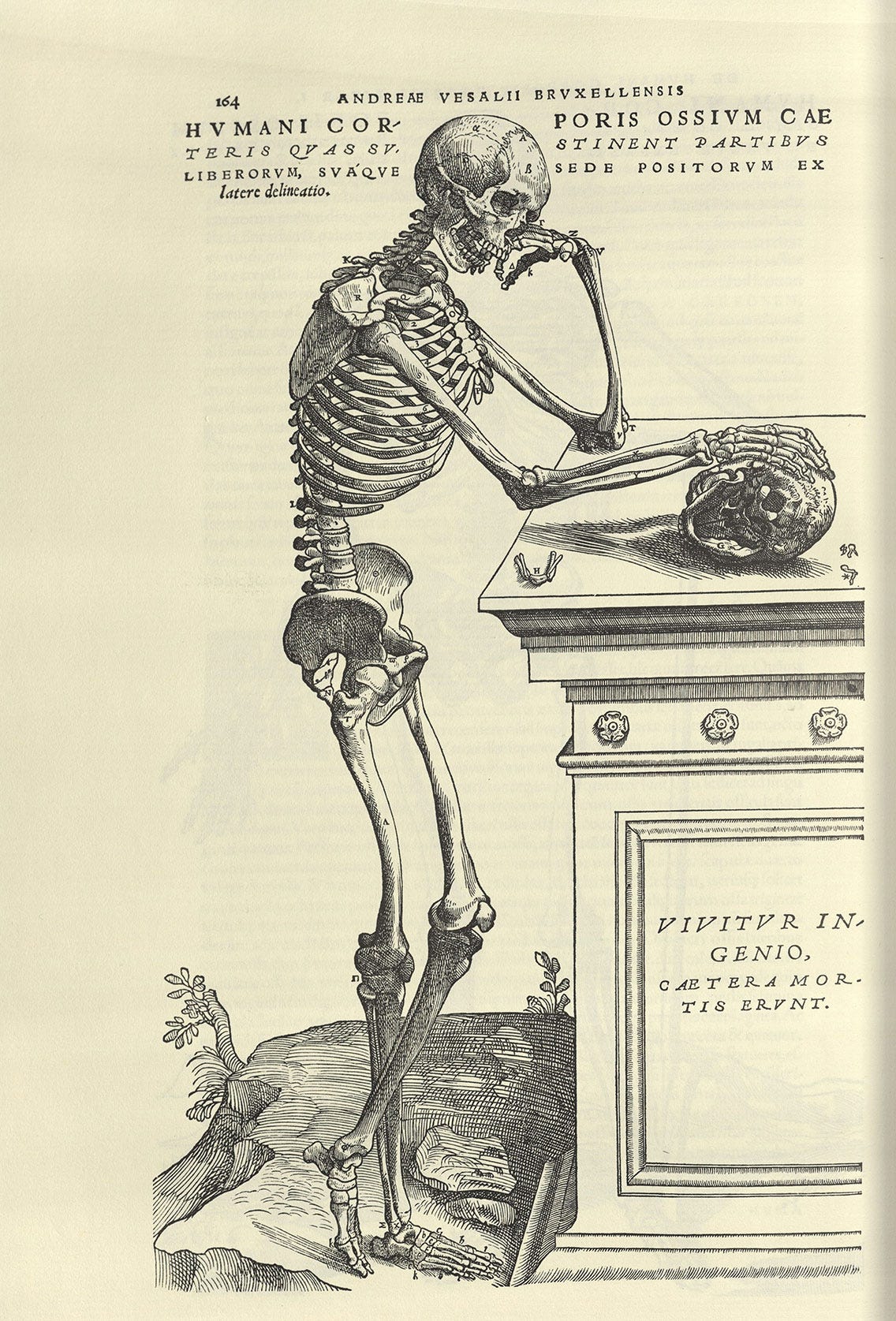
Introduction
Anatomy is the study of the body’s structure; physiology examines its function. Understanding either requires grounding in the sciences—atoms from chemistry, biomolecules from biochemistry, and cells from biology—since the body is built from these fundamentals.
Humans, Homo sapiens, belong to the kingdom Animalia, phylum Chordata, subphylum Vertebrata, class Mammalia, order Primates, and family Hominidae. We are the only surviving members of our genus, and studying ourselves offers insights into the complexity of multicellular life.
This study proceeds from tissues, bones, and muscles to the major organ systems—nervous, endocrine, circulatory, respiratory, digestive, immune, and others—exploring their roles in maintaining health at cellular and molecular levels. The goal is not rote memorization but integration of knowledge from the microscopic to the macroscopic, enabling a holistic and critical understanding of how the human body functions as a coordinated whole.
Types of Tissue – Epithelial Tissue
Tissues are groups of similar cells performing related functions. In humans, there are four main types: epithelial, connective, muscle, and nervous tissue. Epithelial tissue covers and lines the body, forming boundaries and controlling the passage of substances. It includes:
Covering and lining epithelium – found on the skin, inside body cavities, and lining organs, blood vessels, and the digestive and respiratory tracts.
Glandular epithelium – forms glands that secrete substances.
Key features:
Polarity – cells have an apical surface (facing outward or into a cavity) and a basal surface (attached to connective tissue via the basement membrane, composed of basal and reticular lamina).
Specializations – microvilli for absorption, cilia for movement.
Cell junctions – desmosomes (adhesion), tight junctions (barriers), and gap junctions (communication).
Avascular but innervated – no blood vessels, but supplied with nerves.
High regeneration rate – due to exposure to friction and damage.
Functions: protection, absorption, filtration, secretion, excretion, and sensory reception.
Classification:
By layers:
Simple epithelium – one cell layer, specialized for absorption, secretion, and diffusion.
Stratified epithelium – multiple layers, specialized for protection.
Pseudostratified epithelium – appears layered due to staggered nuclei, but all cells touch the basement membrane.
By shape:
Squamous – flat cells.
Cuboidal – cube-shaped cells.
Columnar – tall, column-shaped cells.
Examples:
Simple squamous – rapid diffusion (e.g., endothelium, mesothelium).
Simple cuboidal – secretion and absorption.
Simple columnar – secretion and absorption in digestion.
Stratified squamous – protection (skin, mucous membranes).
Stratified cuboidal/columnar – rare, found in some glands.
Transitional epithelium – stretches to accommodate fluid (urinary system).
Glandular epithelium:
Exocrine glands – secrete through ducts onto surfaces.
Endocrine glands – release products directly into the bloodstream.
Types of Tissue – Connective Tissue
Connective tissue is the most abundant tissue in the body, providing structural support, protection, insulation, storage, and transportation. It originates from embryonic mesenchyme and consists of cells embedded in an extensive extracellular matrix made of ground substance and fibers.
Components:
Ground substance: a gel-like material of interstitial fluid, adhesion proteins, and proteoglycans that binds fibers and cells.
Fibers:
Collagen fibers — strongest, made of collagen protein, resist tension.
Elastic fibers — composed of elastin, provide stretch and recoil.
Reticular fibers — thin collagen-like fibers forming supportive networks.
Cells:
Immature cells (suffix “-blast”) actively secrete matrix components (fibroblasts, chondroblasts, osteoblasts).
Mature cells (suffix “-cyte”) maintain tissue (fibrocytes, chondrocytes, osteocytes).
Four main types of connective tissue:
Connective tissue proper:
Loose connective tissue:
Areolar: abundant fibers and fluid, cushions and supports.
Adipose: stores fat, insulates and cushions.
Reticular: forms supportive framework in organs.
Dense connective tissue:
Regular: parallel collagen fibers; forms tendons and ligaments.
Irregular: collagen fibers arranged randomly; resists tension in multiple directions.
Elastic: rich in elastic fibers; provides flexibility.
Cartilage:
Supports and withstands compression and tension.
Avascular, nourished by diffusion.
Types:
Hyaline: most common, firm and cushioning.
Elastic: more elastic fibers (e.g., ear).
Fibrocartilage: dense collagen alternating with chondrocytes; found in intervertebral discs.
Bone (osseous tissue):
Hardest connective tissue due to mineralized matrix of collagen and calcium salts.
Vascularized, supports and protects the body.
Blood:
A fluid connective tissue composed of cells suspended in plasma.
Functions in transport of nutrients, gases, and wastes.
Muscle and nervous tissues will be addressed later in their respective systems.
The Integumentary System
The integumentary system, the body's outermost system, comprises the skin, hair, nails, and associated glands. It serves as the primary barrier protecting internal tissues from environmental damage, pathogens, and water loss, while also regulating temperature and sensing stimuli.
Skin Structure:
Epidermis: The thin, outer layer made of keratinized stratified squamous epithelium, consisting of five layers:
Stratum basale: Deepest layer with rapidly dividing keratinocytes producing keratin; contains melanocytes (melanin pigment) and tactile cells (touch receptors).
Stratum spinosum: Several cell layers with desmosome-linked keratinocytes; contains dendritic immune cells.
Stratum granulosum: Cells begin keratinization, flattening and dying as they accumulate keratin.
Stratum lucidum: Thin, clear layer of dead keratinocytes (present only in thick skin).
Stratum corneum: Outermost layer of dead, flattened keratinized cells forming a durable protective barrier.
Dermis: A thicker, vascularized layer of dense connective tissue providing strength and flexibility, containing nerves, blood vessels, and hair follicles. It has two layers:
Papillary layer: Loose connective tissue with dermal papillae projecting into the epidermis, containing tactile receptors; creates fingerprints where ridges form.
Reticular layer: Dense irregular connective tissue providing structural support.
Hypodermis (Subcutaneous layer): Mainly adipose tissue anchoring skin to underlying structures and providing insulation.
Skin Color: Determined primarily by melanin, with additional contributions from carotene (yellow-orange) and oxygenated hemoglobin (red).
Hair:
Composed of hard keratin, hair strands include three layers: medulla (soft keratin), cortex (flattened cells), and cuticle (overlapping, highly keratinized cells).
Hair grows from follicles extending from the epidermis into the dermis, anchored by a bulb containing dividing cells and nourished by the hair papilla.
Sensory nerve endings surround the bulb, detecting hair movement.
Arrector pili muscles attached to follicles cause "goose bumps" by contracting.
Hair types: Vellus (fine, pale) and terminal (thicker, darker).
Nails:
Modified epidermis composed of hard keratin, forming a free edge, body, and root growing from the nail matrix.
Nails protect fingertips and aid manipulation.
Surrounded by nail folds, including the eponychium (cuticle) and hyponychium (under free edge).
Glands:
Sweat glands (Sudoriferous): Approximately three million on the body.
Eccrine glands: Produce watery sweat for thermoregulation, opening via pores.
Apocrine glands: Found in specific areas, secrete sweat containing fats and proteins, contributing to body odor. Includes ceruminous (earwax) and mammary glands (milk).
Sebaceous glands: Secrete oily sebum that lubricates skin and hair, reduces water loss, and has antibacterial properties.
The integumentary system forms a dynamic barrier essential for protection, sensation, temperature regulation, and repair, integrating multiple tissue types into a cohesive whole.
Bones: Structure and Types
Bones, a specialized connective tissue, form the skeleton that supports and protects the body. Before bones develop, skeletal cartilage—composed of hyaline, elastic, and fibrocartilage—provides flexible support in regions like the nose, ears, rib cage, and intervertebral discs.
Bone Classification:
Axial skeleton: Bones of the skull, spine, and rib cage.
Appendicular skeleton: Bones of the limbs, pelvis, and shoulder girdle.
By shape:
Long bones (e.g., femur): longer than wide, with a shaft and two ends.
Short bones (e.g., wrist bones): roughly cuboidal.
Flat bones (e.g., sternum): thin, often curved.
Irregular bones (e.g., vertebrae): complex shapes.
Bone Functions:
Support body structure, protect organs, facilitate movement as levers, store minerals (calcium, phosphate), store fat, produce hormones, and generate blood cells.
Bone Composition:
A bone is an organ composed of multiple tissues—primarily bone tissue, but also nervous, connective tissue, cartilage, and blood vessels.
Gross Anatomy:
Compact bone: Dense, smooth outer layer providing strength.
Spongy bone: Porous, honeycomb-like interior housing bone marrow.
Long bones: Feature a central shaft (diaphysis) of compact bone surrounding a marrow cavity filled with yellow marrow (fat). The ends (epiphyses) contain spongy bone and cartilage covering joints.
Flat, short, and irregular bones: Thin plates of spongy bone sandwiched by compact bone, lacking a marrow cavity.
Bone Coverings:
Periosteum: Outer membrane with an outer fibrous layer (dense connective tissue) and inner osteogenic layer (stem cells), richly supplied with nerves and blood vessels.
Endosteum: Membrane lining internal surfaces, including spongy bone and canals.
Microscopic Anatomy:
Bone contains five principal cell types:
Osteogenic cells: Stem cells in periosteum and endosteum, dividing and differentiating into osteoblasts.
Osteoblasts: Bone-forming cells secreting collagen and matrix, actively dividing.
Osteocytes: Mature bone cells maintaining matrix, residing in lacunae connected by canaliculi.
Bone lining cells: Flat cells on bone surfaces, involved in matrix maintenance.
Osteoclasts: Large multinucleated cells breaking down bone matrix (resorption), releasing minerals into blood.
Compact Bone Structure:
Compact bone is organized into cylindrical osteons (Haversian systems), each composed of concentric lamellae—rings of collagen fibers and mineralized matrix arranged to resist twisting forces.
Central canal: Contains blood vessels and nerves.
Perforating canals: Connect central canals to periosteum and marrow cavity.
Lacunae: Small cavities housing osteocytes.
Canaliculi: Tiny channels connecting lacunae, facilitating cellular communication.
Bone Matrix Composition:
Organic components: Osteoid (collagen and ground substance) provide flexibility and tensile strength.
Inorganic components: Hydroxyapatite crystals (calcium phosphate) provide hardness and resistance to compression.
Together, these components create a strong yet resilient structure, comparable in strength to steel for tension and compression.
The Skeletal System
The human skeletal system consists of 206 bones, along with cartilage, joints, and ligaments, comprising about 20% of body mass. It is divided into the axial skeleton and the appendicular skeleton.
Axial Skeleton
Skull – 22 bones:
Cranial bones (8): frontal, parietal (2), occipital, temporal (2), sphenoid, ethmoid; joined by sutures (coronal, sagittal, lambdoid, squamous, occipitomastoid). The foramen magnum allows passage of the spinal cord.
Facial bones (14): mandible, maxillae (2), zygomatic (2), nasal (2), lacrimal (2), palatine (2), vomer, inferior nasal conchae (2).
Hyoid bone lies below the mandible and is not connected to other bones.
Vertebral Column – 26 irregular bones:
Cervical (7), thoracic (12), lumbar (5), sacrum (5 fused), coccyx (3–5 fused).
Intervertebral discs of nucleus pulposus and anulus fibrosus act as shock absorbers.
Cervical vertebrae have transverse foramina; thoracic vertebrae connect to ribs via demifacets; lumbar vertebrae are large and robust.
Thoracic Cage:
Sternum (manubrium, body, xiphoid process).
12 rib pairs: true ribs (1–7), false ribs (8–10), floating ribs (11–12).
Appendicular Skeleton
Pectoral Girdle: clavicle and scapula attach upper limbs to axial skeleton.
Upper Limb:
Arm: humerus.
Forearm: radius and ulna, joined by interosseous membrane.
Hand: carpals (8), metacarpals (5), phalanges (14).
Pelvic Girdle: sacrum and two hip bones (ilium, ischium, pubis), providing stability for lower limbs.
Lower Limb:
Thigh: femur (largest bone), patella.
Leg: tibia and fibula, joined by interosseous membrane.
Foot: tarsals (7 – talus, calcaneus, cuboid, navicular, 3 cuneiforms), metatarsals (5), phalanges (14).
Joints: Structure and Types of Motion
Joints are points where bones meet, enabling movement. They are classified by function or structure:
Functional Classification
Synarthroses – immovable
Amphiarthroses – slightly movable
Diarthroses – freely movable
Structural Classification
Fibrous Joints – dense connective tissue, no cavity, mostly immovable.
Sutures – interlocking joints of the skull; ossify with age.
Syndesmoses – bones connected by ligaments (e.g., tibia–fibula).
Gomphoses – peg-in-socket joints (teeth in alveolar sockets).
Cartilaginous Joints – bones joined by cartilage, no cavity.
Synchondroses – hyaline cartilage (e.g., epiphyseal plates, first rib–sternum).
Symphyses – fibrocartilage for shock absorption (e.g., intervertebral discs, pubic symphysis).
Synovial Joints – fluid-filled cavity, freely movable.
Key features: articular cartilage, synovial fluid, joint cavity, articular capsule, reinforcing ligaments, blood vessels, nerves.
Associated structures: menisci, bursae, tendon sheaths.
Types of Movement in Synovial Joints
Nonaxial – slipping (e.g., intercarpal joints)
Uniaxial – movement in one plane
Biaxial – movement in two planes
Multiaxial – movement in all planes
Motion Categories
Gliding – flat bone surfaces slide over each other.
Angular – changes joint angle:
Flexion, extension, hyperextension
Abduction (away from midline), adduction (toward midline)
Circumduction (circular motion)
Rotation – turning around bone’s axis (internal/external).
Special Movements – supination/pronation, dorsiflexion/plantar flexion, protraction/retraction, etc.
Muscle Tissue
The body contains three types of muscle tissue—skeletal, cardiac, and smooth—all specialized for contraction.
Skeletal Muscle
Location: Attached to bones; over 650 muscles in the body.
Function: Voluntary movement, posture maintenance, joint stability, heat production.
Structure: Long, cylindrical, multinucleated fibers formed by fused myoblasts; striated due to sarcomeres composed of actin and myosin filaments.
Organization:
Endomysium surrounds each fiber.
Perimysium surrounds fascicles (fiber bundles).
Epimysium surrounds the entire muscle.
Attachment: Direct (to periosteum/perichondrium) or indirect (via tendons or aponeuroses).
Control: Innervated by the somatic nervous system (voluntary).
Cardiac Muscle
Location: Heart only.
Function: Pumps blood throughout the body.
Structure: Short, branched, striated cells (cardiomyocytes) with one or two central nuclei; connected by intercalated discs containing gap junctions for rapid electrical conduction.
Control: Involuntary; regulated by the autonomic nervous system and pacemaker cells.
Smooth Muscle
Location: Walls of hollow organs (digestive tract, blood vessels, bladder, airways, reproductive organs).
Function: Moves substances and regulates internal flow (e.g., peristalsis, vasoconstriction).
Structure: Spindle-shaped (fusiform), single central nucleus, non-striated (no sarcomeres; myofilaments scattered in cytoplasm).
Layers:
Longitudinal – shortens and dilates organ.
Circular – constricts and lengthens organ.
Control: Involuntary; regulated by the autonomic nervous system.
Mechanism of Skeletal Muscle Contraction
Skeletal muscle is composed of fascicles, which contain multinucleated muscle fibers. Each fiber holds myofibrils made of myofilaments arranged into sarcomeres—the functional contractile units of muscle. A sarcomere extends from one Z disc to the next, with thick filaments (myosin) anchored at the M line and thin filaments (actin) attached to the Z discs. Elastic filaments (titin) stabilize and align the thick filaments. Myosin heads have binding sites for actin and ATP, enabling cross-bridge formation. In a relaxed muscle, tropomyosin blocks actin’s binding sites, regulated by troponin, which binds calcium to initiate contraction.
The sarcoplasmic reticulum stores calcium and connects with transverse (T) tubules at the A–I band junction, ensuring rapid signal transmission.
Contraction follows the sliding filament model: when stimulated, myosin heads attach to actin, pulling thin filaments toward the M line, shortening sarcomeres and the muscle fiber.
This process begins at the neuromuscular junction, where a motor neuron’s axon terminal releases acetylcholine (ACh) into the synaptic cleft. ACh binds to receptors on the sarcolemma, opening ion channels that allow sodium influx and potassium efflux, causing depolarization. When threshold is reached, an action potential spreads across the sarcolemma and down T tubules, triggering calcium release from the sarcoplasmic reticulum.
Calcium binds troponin, shifting tropomyosin to expose actin’s binding sites, enabling cross-bridge cycling powered by ATP. As calcium levels fall, tropomyosin re-covers the sites, ending contraction and allowing relaxation.
The Muscular System
Skeletal muscles enable movement by contracting—they pull but do not push—requiring multiple muscles to work together. They can be classified by function:
Prime movers (agonists): Produce the main movement.
Antagonists: Oppose the prime mover to control motion.
Synergists: Assist prime movers and reduce unwanted movement.
Fixators: Stabilize bones, maintaining posture.
A muscle may perform different roles depending on the action.
Muscles are named according to:
Location (e.g., temporalis near the temporal bone)
Shape (e.g., trapezius is trapezoid-shaped)
Size (maximus = large, minimus = small)
Fiber direction (rectus = parallel, transversus = perpendicular, oblique = angled)
Number of origins (biceps = two, triceps = three)
Attachment points (origin to insertion, e.g., sternocleidomastoid)
Action (e.g., flexor, extensor, adductor)
Fascicle arrangements determine muscle shape and performance:
Circular: Surround openings (e.g., around mouth, eyes)
Convergent: Spread out, converge to a tendon (pectorals)
Fusiform: Tapered at both ends (biceps)
Parallel: Fibers run parallel (sartorius)
Pennate: Short fibers at an angle; unipennate (one side), bipennate (both sides), multipennate (multiple feather-like sections)
Parallel muscles shorten most but generate less force; pennate muscles shorten less but produce greater power.
Nervous Tissue
Nervous tissue forms the basis of the nervous system, which transmits signals between the brain, spinal cord, and the body. Its primary cell type is the neuron, specialized for receiving stimuli and conducting electrical impulses over long distances. Neurons consist of:
Cell body (soma) with nucleus and organelles.
Dendrites – branched extensions that receive signals.
Axon – a single, long projection initiating at the axon hillock, conducting impulses to axon terminals, which release neurotransmitters at synapses.
Myelin sheath – insulating layer (often from Schwann cells in the PNS) that speeds conduction; gaps between myelinated segments are nodes of Ranvier.
Neuron types
By structure:
Unipolar – single process dividing into peripheral (sensory) and central branches.
Bipolar – one axon, one dendrite; rare (eye, nose).
Multipolar – one axon, multiple dendrites; most common.
By function:
Sensory (afferent) – carry input to CNS (usually unipolar).
Motor (efferent) – transmit output to muscles/glands (multipolar).
Interneurons – connect neurons within CNS (multipolar).
Signal transmission
Neurons maintain a resting membrane potential through ion gradients (Na⁺, K⁺) and sodium–potassium pumps. Stimuli open ion channels:
Chemically gated – open via neurotransmitter binding.
Voltage-gated – respond to membrane potential changes.
Mechanically gated – open from physical deformation.
If depolarization reaches threshold, an action potential is generated: sodium influx → potassium efflux → repolarization → hyperpolarization → reset. Impulses travel along the axon to terminals, releasing neurotransmitters into the synapse (axon-to-dendrite, soma, or axon).
Organization of the nervous system
Central nervous system (CNS): brain and spinal cord; integrates sensory input and directs motor output.
Peripheral nervous system (PNS): nerves outside CNS; communicates between body and CNS.
Sensory (afferent) division – sends input to CNS.
Motor (efferent) division – sends output from CNS.
Somatic nervous system – voluntary skeletal muscle control.
Autonomic nervous system – involuntary control of smooth/cardiac muscle and glands.
Sympathetic division – stimulates “fight or flight” responses.
Parasympathetic division – promotes “rest and digest” functions.
The Central Nervous System: Brain and Spinal Cord
The central nervous system (CNS) consists of the brain and spinal cord. In early development, both arise from the neural tube. The anterior portion forms the three primary brain vesicles—forebrain (prosencephalon), midbrain (mesencephalon), and hindbrain (rhombencephalon)—which further develop into the adult brain regions: cerebral hemispheres, diencephalon, brain stem, and cerebellum.
The cerebrum, derived from the telencephalon, contains the cerebral cortex (gray matter), underlying white matter, and basal nuclei. The cortex houses specialized motor, sensory, and association areas, each responsible for distinct functions such as voluntary movement, sensory perception, and higher cognition. Hemispheres control the opposite side of the body, and some functions are lateralized.
The diencephalon includes the thalamus (sensory relay), hypothalamus (autonomic and endocrine regulation, homeostasis), and epithalamus (pineal gland, sleep regulation). The brain stem—midbrain, pons, and medulla oblongata—manages basic life functions and connects the brain to the spinal cord. The cerebellum coordinates voluntary movements for smooth execution.
Protective structures include the meninges (dura mater, arachnoid mater, pia mater) and cerebrospinal fluid. The spinal cord, encased in the vertebral column and meninges, extends from the skull base to below the ribs. It contains central gray matter (sensory and motor zones) surrounded by white matter tracts for communication with the brain, organized into ascending, descending, and transverse pathways.
The Peripheral Nervous System: Nerves and Sensory Organs
The peripheral nervous system (PNS) includes all neural structures outside the brain and spinal cord. It serves as the interface between the body and its environment, transmitting sensory input to the central nervous system (CNS) and carrying motor commands from the CNS to muscles and glands. The PNS is divided into:
Sensory (afferent) division – detects and transmits stimuli.
Motor (efferent) division – initiates responses to stimuli.
Sensory Receptors
Sensory receptors are classified by:
Stimulus type:
Mechanoreceptors – touch, pressure
Thermoreceptors – temperature
Photoreceptors – light
Chemoreceptors – chemicals
Nociceptors – damaging stimuli (pain)
Location:
Exteroceptors – external stimuli
Interoceptors – internal organ stimuli
Proprioceptors – muscle, tendon, and joint position
Structure: free or encapsulated nerve endings, lamellar and bulbous corpuscles, muscle spindles, tendon organs, and joint receptors.
Major Sensory Organs
Vision (Eyes) – Accessory structures include eyebrows, eyelids, eyelashes, conjunctiva, lacrimal glands, and extraocular muscles. The eye wall has three layers:
Fibrous: sclera, cornea
Vascular: choroid, ciliary body, iris (pupil for light entry)
Neural: retina with rods (dim light, peripheral vision) and cones (color, bright light)
The lens focuses light onto the retina; the vitreous humor maintains shape.
Olfaction (Nose) – The olfactory epithelium in the nasal cavity contains sensory neurons that detect volatile chemicals. Signals travel via olfactory bulbs and tracts to the olfactory cortex.
Gustation (Tongue) – Most taste buds are on papillae, containing gustatory (chemoreceptor) and basal (stem) cells. Primary taste sensations: sweet, sour, salty, bitter, umami.
Hearing and Balance (Ears) – Divided into:
External ear: auricle, auditory canal, tympanic membrane
Middle ear: ossicles (malleus, incus, stapes)
Inner ear: bony and membranous labyrinths, including vestibule, semicircular canals (balance), and cochlea (hearing) with hair cell receptors in the spiral organ.
Nerves
A nerve is a bundle of axons surrounded by:
Endoneurium (around individual axons)
Perineurium (around fascicles)
Epineurium (around the entire nerve)
Nerves may be:
Mixed – both sensory and motor fibers
Sensory – impulses to CNS
Motor – impulses from CNS
There are 12 cranial nerve pairs (mainly linked to the brainstem) and 31 spinal nerve pairs forming plexuses that innervate body regions.
Autonomic Nervous System: Sympathetic and Parasympathetic Divisions
The autonomic nervous system (ANS), a branch of the motor division of the peripheral nervous system, controls involuntary activity in smooth muscle, cardiac muscle, and glands. Unlike the somatic nervous system, which uses a single heavily myelinated neuron releasing acetylcholine to stimulate skeletal muscle, the ANS uses a two-neuron chain:
Preganglionic neuron – lightly myelinated; originates in the CNS.
Postganglionic neuron – unmyelinated; extends to the effector organ.
Neurotransmitters are acetylcholine (ACh) or norepinephrine (NE), producing stimulatory or inhibitory effects.
Divisions and Functions
Parasympathetic division (“rest and digest”) – Promotes digestion, waste elimination, and maintenance functions during relaxation.
Origin: brainstem and sacral spinal cord.
Long preganglionic, short postganglionic fibers; ganglia located in or near effector organs.
Sympathetic division (“fight or flight”) – Prepares the body for emergencies by increasing heart rate, constricting blood vessels, mobilizing glucose, regulating sweating, influencing metabolism, and affecting kidney activity.
Origin: thoracic and lumbar spinal cord.
Short preganglionic, long postganglionic fibers; ganglia near the spinal cord.
Functional Interaction
Both divisions innervate the same organs (dual innervation) but have opposing effects, with dominance depending on immediate physiological needs.
The Endocrine System
The endocrine system is a network of glands that secrete hormones—chemical messengers that travel through the bloodstream to regulate bodily functions. Unlike exocrine glands, which release substances like sweat or saliva, endocrine glands release hormones directly into the blood.
Major Endocrine Glands and Hormones
Hypothalamus – Coordinates with the pituitary gland to regulate hormone release.
Pituitary Gland –
Posterior lobe: Releases oxytocin (childbirth, lactation, bonding) and antidiuretic hormone/ADH (water balance).
Anterior lobe: Produces growth hormone, thyroid-stimulating hormone (TSH), adrenocorticotropic hormone (ACTH), follicle-stimulating hormone (FSH), luteinizing hormone (LH), and prolactin.
Thyroid Gland – Produces thyroxine (T4) and triiodothyronine (T3) to regulate metabolism, growth, and blood pressure.
Parathyroid Glands – Secrete parathyroid hormone (PTH) to regulate blood calcium and phosphate levels.
Adrenal Glands –
Cortex: Produces mineralocorticoids (aldosterone), glucocorticoids (cortisol, cortisone), and sex hormones (androgens).
Medulla: Produces epinephrine and norepinephrine for the “fight-or-flight” response.
Pineal Gland – Produces melatonin, regulating sleep cycles.
Pancreas – Produces insulin (lowers blood glucose) and glucagon (raises blood glucose).
Gonads –
Ovaries: Produce estrogens and progesterone.
Testes: Produce testosterone.
Placenta – Produces steroid and protein hormones during pregnancy.
Other Hormone-Producing Tissues
Adipose tissue: Leptin, resistin, adiponectin.
Gastrointestinal tract: Peptide hormones for digestion.
Heart: Atrial natriuretic peptide (ANP) and B-type natriuretic peptide (BNP).
Kidneys: Erythropoietin (RBC production), renin (blood pressure regulation).
Bones: Osteocalcin (insulin regulation).
Skin: Cholecalciferol (vitamin D precursor).
Hormones act in very low concentrations, triggered by humoral (blood chemistry), neural (nerve signals), or hormonal (other hormones) stimuli, and are essential for growth, metabolism, reproduction, and homeostasis.
The Composition and Function of Blood
Blood is a specialized connective tissue composed of formed elements suspended in plasma. When centrifuged, blood separates into three layers:
Erythrocytes (red blood cells) – dense, oxygen carriers containing hemoglobin.
Buffy coat – white blood cells (leukocytes) and platelets.
Plasma – a yellowish fluid of water, proteins, nutrients, ions, gases, and hormones.
Functions:
Blood transports oxygen from the lungs, nutrients from digestion, and hormones from endocrine glands to cells. It also carries waste products like carbon dioxide to excretory organs. Additionally, blood regulates pH, temperature, and defends against infection.
Plasma:
Mainly water, plasma contains proteins such as albumin (maintains osmotic pressure) and globulins (transport molecules).
Formed Elements:
Red Blood Cells (RBCs): Biconcave, anucleate cells rich in hemoglobin—a protein with four polypeptide chains each bound to a heme group containing iron. Each hemoglobin can reversibly bind four oxygen molecules, enabling one RBC to carry approximately one billion oxygen molecules. RBCs are produced in the red bone marrow via erythropoiesis and have a lifespan of about 120 days.
White Blood Cells (Leukocytes): Complete cells with nuclei, crucial for immune defense. Classified into granulocytes (neutrophils, eosinophils, basophils) and agranulocytes (lymphocytes and monocytes). They migrate through blood and tissues to combat pathogens. Leukopoiesis governs their production.
Platelets: Cell fragments derived from megakaryocytes, essential for blood clotting. They aggregate at vessel injury sites to form plugs, facilitating hemostasis alongside vascular spasm and fibrin clot formation. Platelets are renewed every 7–10 days.
Blood Types:
Determined by surface antigens on RBCs, primarily the ABO system:
Type A has A antigens
Type B has B antigens
Type AB has both
Type O has none
Compatibility is vital for transfusions; AB individuals are universal recipients, O are universal donors. The Rh factor adds a positive or negative classification, e.g., A-positive or O-negative.
The Circulatory System: The Heart
The circulatory (cardiovascular) system consists of the heart and a network of blood vessels—arteries, veins, and capillaries—that transport blood throughout the body. The heart, located in the mediastinum of the thoracic cavity, functions as a pump driving two blood circuits:
Pulmonary circuit: Right heart → lungs for oxygenation → left heart.
Systemic circuit: Left heart → body tissues → right heart.
The heart has four chambers:
Atria (receiving chambers): Right atrium receives oxygen-poor blood from the superior vena cava, inferior vena cava, and coronary sinus; left atrium receives oxygen-rich blood from the four pulmonary veins.
Ventricles (pumping chambers): Right ventricle pumps blood to the lungs via the pulmonary trunk; left ventricle pumps blood to the body via the aorta.
The heart wall consists of:
Epicardium (outer layer),
Myocardium (cardiac muscle layer and cardiac skeleton),
Endocardium (endothelial lining).
The pericardium surrounds the heart, consisting of fibrous and serous layers.
Valves ensure one-way blood flow:
Atrioventricular (AV) valves: Tricuspid (right), mitral/bicuspid (left).
Semilunar valves: Pulmonary and aortic.
Cardiac muscle is striated, branched, and interconnected by intercalated discs containing desmosomes and gap junctions. Its unique properties include:
Automaticity: Some cells self-excite without neural stimulation.
Coordinated contraction: Enabled by gap junctions.
Long refractory period: Prevents tetanic contractions.
The intrinsic conduction system—composed of pacemaker cells—initiates and coordinates heartbeat through spontaneous depolarization. Disruptions can cause arrhythmias or fibrillation.
The heart is supplied by coronary arteries and drained by coronary veins, ensuring its own oxygen and nutrient supply.
The Circulatory System: Blood Vessels
Blood vessels form a closed network transporting blood between the heart, lungs, and tissues. They are classified as arteries, veins, and capillaries:
Arteries carry blood away from the heart; they branch into smaller vessels called arterioles.
Veins return blood to the heart; they form from the merging of smaller venules.
Capillaries connect arterioles to venules and enable exchange of gases, nutrients, and waste with tissues.
Oxygen content depends on the circuit:
Systemic circuit: Arteries carry oxygen-rich blood; veins carry oxygen-poor blood.
Pulmonary circuit: Arteries carry oxygen-poor blood to the lungs; veins return oxygen-rich blood.
Vessel wall structure (except most capillaries) includes three layers:
Tunica intima – Endothelium minimizing friction.
Tunica media – Smooth muscle and elastic fibers regulating vessel diameter (vasoconstriction/vasodilation).
Tunica externa – Collagen for protection; large vessels contain vasa vasorum to nourish outer layers.
Artery types:
Elastic arteries – Largest, near the heart; high elastin content for pressure absorption.
Muscular arteries – Distribute blood to organs.
Arterioles – Smallest arteries, controlling blood flow into capillary beds.
Capillaries:
Structure: Single tunica intima; lumen fits red blood cells in single file; stabilized by pericytes.
Types:
Continuous – Most common; in skin and muscles.
Fenestrated – Pores for absorption and filtration; in digestive tract, endocrine glands.
Sinusoid – Large gaps; in liver, spleen, bone marrow, adrenal medulla.
Capillaries form capillary beds consisting of a vascular shunt and true capillaries regulated by precapillary sphincters.
Veins and venules:
Thinner walls, larger lumens than arteries; low pressure.
Valves prevent backflow, especially in limbs.
Pulmonary circuit:
Right ventricle → pulmonary trunk → pulmonary arteries → pulmonary capillaries (gas exchange) → pulmonary veins → left atrium.
Systemic circuit:
Left ventricle → aorta → systemic arteries → systemic capillaries → systemic veins → superior/inferior vena cava → right atrium.
The Circulatory System: The Lymphatic System
The lymphatic system returns excess interstitial fluid and plasma proteins (about 15% of fluid leaving capillaries) to the bloodstream, preventing loss of blood volume. It consists of lymphatic vessels, lymph (the collected fluid), and lymphoid organs/tissues.
Lymphatic vessels begin as highly permeable lymphatic capillaries in tissues. Loosely joined endothelial cells form flaps allowing fluid, proteins, and pathogens to enter but not exit. Capillaries merge into larger vessels, then lymphatic trunks named for the regions they drain. Flow depends on pressure changes, skeletal muscle activity, and valves—there is no central pump.
Lymphoid cells include lymphocytes and macrophages; lymphoid tissue is reticular connective tissue in diffuse form or as lymphoid follicles.
Lymph nodes—the primary lymphoid organs—filter lymph and activate immune responses. Each node has a fibrous capsule, trabeculae, a cortex with follicles, and a medulla with cords and sinuses containing macrophages.
Other lymphoid organs:
Spleen – Filters blood, recycles iron, stores blood components. White pulp handles immune functions; red pulp removes aged red blood cells.
Thymus – Site of T lymphocyte maturation; most active in early life.
MALT (mucosa-associated lymphoid tissue) – Includes tonsils (trap inhaled/ingested pathogens), Peyer’s patches in the small intestine, and the appendix (lymphoid follicles that destroy bacteria).
The lymphatic system maintains fluid balance and supports immune defense.
The Immune System: Innate and Adaptive Defenses
The human immune system defends against pathogens through two main components: innate defenses and adaptive defenses.
Innate defenses provide immediate, non-specific protection.
Surface barriers: Skin and mucous membranes block pathogen entry. Skin’s keratinized surface resists penetration; mucosae produce acidic secretions, lysozymes, mucus, and defensins to inhibit or trap microbes.
Internal defenses: Include phagocytes (e.g., macrophages), natural killer cells, antimicrobial proteins, and the inflammatory response. Inflammation involves chemical mediators like histamine and cytokines, which trigger vasodilation, increased permeability, and the recruitment of phagocytes to destroy invaders and promote healing.
Adaptive defenses provide specific, long-term protection through lymphocytes and antibodies.
Antigens are foreign molecules that trigger immune responses; antibodies bind to antigens, marking them for destruction.
Lymphocytes:
B cells mediate humoral immunity by producing antibodies after encountering an antigen. The primary response is slow, but the secondary response is rapid due to immunological memory. Immunity can be active (via infection or vaccination) or passive (via maternal antibodies or injections).
T cells mediate cellular immunity. CD4 T cells activate other immune cells, while CD8 T cells kill infected or abnormal body cells. Activation requires antigen presentation and co-stimulation, followed by proliferation and differentiation into effector cells.
Together, innate and adaptive defenses protect the body—one providing immediate general protection, the other delivering targeted, lasting immunity.
The Respiratory System
The respiratory system supplies oxygen to the body and removes carbon dioxide, enabling cellular respiration and energy production. It consists of two functional divisions:
Conducting zone – Nose, nasal cavity, paranasal sinuses, pharynx, larynx, trachea, bronchi, and bronchioles, which filter, warm, and transport air.
Respiratory zone – Respiratory bronchioles, alveolar ducts, and alveoli, where gas exchange occurs.
Air enters through the nose, passes the nasal cavity and pharynx, then moves through the larynx and trachea into branching bronchi and bronchioles. The smallest bronchioles lead to alveoli—thin-walled sacs surrounded by pulmonary capillaries. Oxygen diffuses into the blood, and carbon dioxide diffuses into the alveoli to be exhaled.
The lungs, divided into lobes (three on the right, two on the left), are encased by pleurae and contain elastic tissue for expansion and recoil. Breathing is driven by the diaphragm and intercostal muscles, which change thoracic volume and pressure, moving air in and out along pressure gradients.
The Digestive System
The digestive system provides nutrients to the body by breaking down food into absorbable components. It consists of the alimentary canal (gastrointestinal tract, GI tract) — a continuous tube from the mouth to the anus — and accessory organs such as the teeth, tongue, salivary glands, liver, gallbladder, and pancreas.
Major processes of digestion:
Ingestion – taking in food.
Propulsion – swallowing and peristalsis move food through the GI tract, aided by segmentation.
Mechanical breakdown – chewing and churning mix food with gastric secretions.
Chemical digestion – enzymes break polymers into monomers (proteins → amino acids, polysaccharides → monosaccharides, fats → fatty acids and glycerol).
Absorption – nutrients pass through the intestinal lining into blood or lymph.
Defecation – elimination of indigestible material as feces.
GI tract structure (inner to outer):
Mucosa – epithelium, lamina propria, and muscularis mucosae; secretes, absorbs, and protects.
Submucosa – connective tissue with blood vessels, lymphatics, and nerves.
Muscularis externa – circular and longitudinal muscle layers for peristalsis and segmentation.
Serosa – outer connective tissue and mesothelium.
Intrinsic nerve plexuses regulate digestive activity.
Key organs:
Mouth – lined with protective epithelium; teeth and tongue assist in mastication; salivary glands produce saliva with enzymes.
Pharynx & esophagus – transport food to the stomach; epithelium transitions from protective stratified squamous to secretory simple columnar.
Stomach – produces acidic gastric juice (pH 1.5–3.5) and enzymes (e.g., pepsin) for protein digestion; protected by a mucosal barrier; churns food into chyme.
Small intestine – duodenum (receives bile and pancreatic juice), jejunum, and ileum; primary site for digestion and absorption, aided by villi and microvilli. Peyer’s patches provide immune defense.
Accessory organs:
Liver – produces bile to emulsify fats; organized into lobules with hepatocytes and portal triads.
Gallbladder – stores and releases bile.
Pancreas – produces enzyme-rich pancreatic juice for all macronutrients.
Large intestine – absorbs water, compacts waste; includes cecum, appendix, colon (ascending, transverse, descending, sigmoid), rectum, and anal canal.
From ingestion to defecation, the digestive system mechanically and chemically processes food, absorbs nutrients, and eliminates waste, ensuring the body’s metabolic needs are met.
The Urinary System
The urinary system removes metabolic waste from the blood, regulates water and electrolyte balance, maintains blood pH, and produces hormones such as erythropoietin. It consists of the kidneys, ureters, urinary bladder, and urethra.
Kidneys
Two bean-shaped kidneys lie in the lumbar region, partially protected by the ribcage. Each has a renal hilum for entry/exit of the ureter, blood vessels, lymphatics, and nerves. Surrounding layers include the renal fascia (anchors kidney), perirenal fat capsule (cushions), and fibrous capsule (prevents infection spread). Internally, the renal cortex surrounds the renal medulla, which contains renal pyramids separated by columns. Pyramids drain urine into minor and major calyces, then the renal pelvis, which leads to the ureter.
Blood Supply
Renal arteries branch into segmental, interlobar, arcuate, and cortical radiate arteries before reaching the cortex for filtration. Blood exits via cortical radiate, arcuate, and interlobar veins, then the renal vein to the inferior vena cava.
Nephrons
The kidney’s functional units are nephrons, composed of a renal corpuscle and renal tubule.
Renal corpuscle: glomerulus (capillaries) within the glomerular capsule filters blood.
Renal tubule: proximal convoluted tubule, nephron loop, distal convoluted tubule; processes filtrate and reabsorbs needed substances.
Collecting ducts: receive processed filtrate from multiple nephrons, carrying urine toward the calyces.
Urine Formation (three steps):
Glomerular filtration – water and small solutes pass into the capsule; larger molecules and cells are retained in blood.
Tubular reabsorption – nutrients, water, and ions return to the bloodstream.
Tubular secretion – wastes (e.g., drugs, excess ions) move from blood into the filtrate.
Urine is ~95% water, containing urea (from amino acid breakdown), uric acid, creatinine, and various ions.
Urinary Tract
Ureters – muscular tubes transporting urine from kidneys to bladder.
Bladder – muscular sac that stores urine; the trigone region leads to the urethra.
Urethra – muscular tube expelling urine from the body; also part of the reproductive system in males.
The Human Reproductive System
The reproductive system enables the creation of new life and differs significantly between males and females.
Primary Sex Organs (Gonads)
Males – Testes produce sperm and testosterone.
Females – Ovaries produce eggs (ova), estrogen, and progesterone.
Gonads generate gametes—haploid sex cells—through meiosis. Fertilization occurs when a sperm and egg unite, forming a zygote that develops into a new human.
Male Reproductive System
Testes in the scrotum produce sperm in seminiferous tubules (spermatogenesis).
Sperm travel through the epididymis → vas deferens → ejaculatory duct → urethra.
External genitalia: Penis (copulatory organ) and scrotum. The penis contains erectile tissue that fills with blood during arousal, enabling penetration.
Accessory glands:
Seminal glands – Produce seminal fluid that nourishes sperm.
Prostate – Adds secretions that activate sperm.
Bulbo-urethral glands – Secrete lubricating mucus.
Female Reproductive System
Ovaries produce eggs via oogenesis and secrete sex hormones.
Ovarian cycle: Mature follicles release oocytes during ovulation.
Ducts: Uterine (fallopian) tubes transport eggs to the uterus (site of implantation and fetal development).
Uterus: Fundus (top), cervix (lower opening), and three wall layers—perimetrium, myometrium, endometrium.
Vagina: Copulatory organ and birth canal.
External genitalia (vulva): Mons pubis, labia majora/minora, clitoris, and vestibule.
Mammary glands: Produce milk in alveoli, transported via lactiferous ducts to the nipple for nursing.
More On the Heart
The heart pumps blood throughout the body, delivering oxygen for cellular respiration. Blood flows through two main circuits:
Pulmonary circuit – Heart → Lungs → Heart (oxygenation of blood)
Systemic circuit – Heart → Body → Heart (delivery of oxygen to tissues)
Path of Oxygenated Blood
Pulmonary veins → Left atrium
Through bicuspid (mitral) valve → Left ventricle
Through aortic valve → Aorta
Blood travels via branches of the aorta (brachiocephalic, left common carotid, left subclavian arteries) to the upper body, and via the descending aorta to the lower body.
Oxygen is released in capillary beds; blood becomes deoxygenated.
Path of Deoxygenated Blood
Veins → Superior and inferior vena cava → Right atrium
Through tricuspid valve → Right ventricle
Through pulmonary valve → Pulmonary trunk
Pulmonary trunk branches into right and left pulmonary arteries → Lungs for oxygenation.
This continuous cycle ensures oxygen delivery and waste removal throughout the body.
More On the Human Brain
The human brain, the most complex known structure, contains billions of neurons interconnected by trillions of synapses. It generates consciousness and controls every aspect of human function, yet its mechanisms remain only partially understood.
Neurons, supported by glial cells such as oligodendrocytes, transmit signals through myelinated axons—forming the brain’s white matter, which enables efficient communication between regions and supports learning and memory.
Major internal structures include the cerebellum (motor coordination), hippocampus (memory and emotion), thalamus (sensory and motor relay), and amygdala (emotion processing). The brain is divided into four lobes: frontal (behavior, learning), parietal (sensory integration), occipital (vision), and temporal (auditory processing and memory).
The brainstem connects the brain to the spinal cord, while the limbic system surrounds the thalamus, regulating emotion and memory. The choroid plexus within the ventricular system produces cerebrospinal fluid, which cushions the brain and spinal cord. These structures are supplied by an extensive network of blood vessels critical for their function.
Viewed in cross-section, the brain reveals its intricate architecture—a testament to its complexity and central role in human thought and experience.
More On the Digestive Tract
The digestive system, centered on the gastrointestinal (GI) tract, processes food to extract nutrients and eliminate waste. The GI tract extends from the mouth to the anus and includes the mouth, pharynx, esophagus, stomach, small intestine, large intestine, rectum, and anus.
Digestion begins in the mouth, where chewing (mastication) and saliva—produced by salivary glands—start mechanical and chemical breakdown of food. The tongue, aided by taste buds, positions food for swallowing, while the epiglottis prevents food from entering the airway.
The esophagus delivers food to the stomach, where gastric juices and muscular contractions further break it down. The stomach wall consists of four layers—mucosa, submucosa, muscular layer, and serosa—with folds called rugae that allow expansion. The pyloric sphincter regulates passage into the small intestine.
The small intestine, composed of the duodenum, jejunum, and ileum, is the primary site of nutrient absorption. Its lining, covered in villi and microvilli, maximizes surface area for efficient absorption. Peristalsis moves material forward into the large intestine.
The large intestine—cecum, colon (ascending, transverse, descending, sigmoid), rectum, and anus—absorbs water, compacts waste into feces, and stores it for elimination. Unlike the small intestine, its mucosa lacks villi but contains glands that secrete mucus.
Accessory digestive organs play critical roles: the liver produces bile, the gallbladder stores and releases it, and the pancreas secretes digestive enzymes and hormones. Together, these structures ensure the body efficiently processes food and maintains nutrient balance.
A Recapitulation of Everything Thus Far
The human body is a unified system of remarkable complexity, its structure and function inseparable. Anatomy studies the organization of the body’s parts; physiology explains how those parts work. Together, they reveal the principles by which life is sustained.
From atoms arise molecules, cells, tissues, and organs, each contributing to body systems such as the digestive, circulatory, and nervous systems. These systems maintain homeostasis—the internal balance essential for survival—regulating temperature, fluids, oxygen, and waste. Death occurs when this equilibrium is irreversibly lost.
Structure governs function: valves in the heart ensure one-way blood flow; bones protect vital organs. This complementarity applies at every scale, from cellular processes to whole-body systems.
Anatomical study relies on precise terminology. The body is described in the anatomical position—upright, facing forward, arms at sides, palms forward. It can be divided into planes (sagittal, coronal, transverse) and regions: the axial skeleton (head, neck, trunk) and appendicular skeleton (limbs). Directional terms such as anterior/posterior, superior/inferior, medial/lateral, and proximal/distal locate structures with accuracy critical to medicine.
The history of anatomy spans from ancient restrictions and animal dissections to modern, lawful study using donated cadavers. Despite changing methods, its purpose endures: to understand the body as an integrated whole, where structure supports function, balance sustains life, and knowledge safeguards health.
The human body is composed of specialized cells organized into tissues, each serving a distinct role in maintaining homeostasis. There are four primary tissue types: epithelial (protective linings), connective (structural support), muscle (movement), and nervous (control and communication). Combined, these tissues form the organs that sustain life.
The study of tissues—histology—became possible with the invention of the microscope in the late sixteenth century, refined by pioneers such as Anton van Leeuwenhoek. True visualization of tissue structure required the development of staining techniques in the nineteenth century, notably advanced by Joseph von Gerlach, whose innovations revealed the fine fibers of nervous tissue and laid the groundwork for modern neuroanatomy.
Nervous tissue consists of neurons, which transmit electrical signals via dendrites and axons, and glial cells, which provide structural, nutritional, and insulating support. The nervous system operates through the central nervous system (brain and spinal cord) and peripheral nerves, coordinating sensation and response.
Muscle tissue—skeletal, cardiac, and smooth—produces movement through contraction. Skeletal muscle, under voluntary control, moves and stabilizes the body; cardiac muscle, involuntary and branching, powers the heartbeat; smooth muscle, also involuntary, lines vessels and organs, propelling substances through the body.
Histological identification relies on microscopic features: skeletal muscle shows long, multinucleated, striated fibers; cardiac muscle is striated with branching cells and intercalated discs; smooth muscle is spindle-shaped and lacks striations.
Through microscopy and staining, histology has revealed the intricate organization of tissues, transforming anatomy into a precise science.
Epithelial tissue forms the body’s protective boundaries, lining internal and external surfaces and organizing organs into distinct yet integrated compartments. It occurs in two forms: epithelium proper, which covers and lines surfaces, and glandular epithelium, which produces secretions.
This avascular tissue depends on underlying connective tissue for nourishment and displays polarity: the apical surface faces the external environment or internal cavities, while the basal surface anchors to a collagen-rich basement membrane. Epithelial cells are selectively permeable, enabling protection, absorption, filtration, and secretion.
Classification is based on cell shape—squamous (flat, diffusion), cuboidal (cube-shaped, absorption/secretion), and columnar (tall, structural support)—and layering: simple (single layer), stratified (multiple layers), or pseudostratified (single layer appearing multilayered). Thin squamous cells facilitate rapid exchange in areas like alveoli and capillaries, while stratified layers, as in skin, provide durable protection.
Epithelial tissue also forms the secretory units of glands. Endocrine glands release hormones directly into the bloodstream; exocrine glands discharge products through ducts to surfaces or cavities, such as sweat, saliva, and gastric secretions.
Through its specialized architecture, epithelial tissue maintains structural integrity, regulates exchange, and supports the body’s vital physiological processes.
Connective tissue, the most abundant and diverse tissue type in the body, provides structural support, protection, and integration for all organs and systems. It encompasses four main categories: connective tissue proper, cartilage, bone, and blood. Despite their differences, all originate from embryonic mesenchyme, share a matrix-based structure, and vary in vascularity—ranging from the avascular nature of cartilage to the richly vascularized dense connective tissues.
Its defining feature is the extracellular matrix, composed of ground substance and fibers. The ground substance—a gel-like material of water, proteins, and proteoglycans—fills the spaces between cells, supports them, and traps water for resilience. The fibers embedded within it provide structural strength:
Collagen fibers – strong and abundant, offering tensile strength.
Elastic fibers – stretch and recoil, found in skin, lungs, and blood vessel walls.
Reticular fibers – delicate networks supporting soft tissues and organs.
Cells within connective tissue occur in immature “blast” forms, which secrete the matrix, and mature “cyte” forms, which maintain it. Examples include fibroblasts/fibrocytes (connective tissue proper), chondroblasts/chondrocytes (cartilage), and osteoblasts/osteocytes (bone). Immune cells such as macrophages and leukocytes also reside within connective tissue, providing defense.
Disorders such as Marfan Syndrome, caused by defective elastic fibers, reveal the tissue’s systemic importance. The condition weakens connective structures—especially in the cardiovascular system—posing life-threatening risks like aortic rupture.
In essence, connective tissue underpins the body’s architecture, facilitates movement, protects organs, and sustains physiological stability through its specialized cells, fibers, and ground substance.
Connective tissues, derived from embryonic mesenchyme, are the most diverse tissues in the body, unified by their extracellular matrix composed of fibers and ground substance. The primary fibers—collagen, elastin, and reticular—provide strength, flexibility, and structural support.
Connective Tissue Proper is divided into loose and dense forms:
Loose connective tissue includes:
Areolar tissue: widely distributed, cushions organs, and holds fluids.
Adipose tissue: stores energy, insulates, and cushions organs.
Reticular tissue: forms supportive frameworks for organs such as the spleen and bone marrow.
Dense connective tissue includes:
Dense regular: parallel collagen fibers, strong in one direction (tendons, ligaments).
Dense irregular: collagen arranged irregularly for strength in multiple directions (dermis).
Elastic tissue: rich in elastic fibers, allows stretch and recoil (artery walls, vertebral ligaments).
Cartilage is avascular, resilient, and capable of withstanding compression and tension:
Hyaline cartilage: smooth, supports and cushions (nose, rib connections).
Elastic cartilage: flexible, maintains shape (external ear).
Fibrocartilage: dense collagen, shock-absorbing (intervertebral discs, knee joints).
Bone (Osseous Tissue) is living tissue providing support, protection, and mineral storage:
Spongy bone: porous, contains bone marrow.
Compact bone: dense, forms the outer layer and stores calcium.
Blood, a fluid connective tissue, transports substances and provides defense:
Plasma: liquid matrix with proteins for clotting.
Red blood cells: carry oxygen and carbon dioxide.
White blood cells: fight infection.
Platelets: assist in clot formation.
These four connective tissue types—proper, cartilage, bone, and blood—work together to support, protect, and integrate the body’s structures and functions.
The skin, the body’s largest organ, forms a protective barrier against physical, chemical, and biological threats while regulating temperature, preventing fluid loss, synthesizing vitamin D, and providing sensory input. Together with hair, nails, and glands, it comprises the integumentary system.
Layers of the Skin
Epidermis – Stratified squamous epithelium, avascular, renewed every 4–6 weeks. Keratinocytes produce keratin for strength and waterproofing; melanocytes produce melanin for pigmentation; Langerhans cells provide immune defense; Merkel cells function as touch receptors.
Dermis – Dense connective tissue containing collagen, elastin, blood vessels, nerves, hair follicles, and glands. The papillary layer (areolar tissue) forms dermal papillae and fingerprints; the reticular layer (dense irregular tissue) provides strength and elasticity.
Hypodermis (Subcutis) – Adipose tissue for insulation, energy storage, and cushioning; anchors skin to underlying structures.
Thick vs. Thin Skin
Thick skin (palms, soles) – Five epidermal layers: stratum basale, spinosum, granulosum, lucidum, corneum.
Thin skin (rest of body) – Four layers, lacking stratum lucidum.
Cellular and Functional Notes
Keratinocyte turnover maintains the barrier.
Melanin variation is due to pigment production, not melanocyte count.
UV radiation can damage elastic fibers, suppress immunity, and induce mutations leading to cancer.
Tattoos are permanent because ink penetrates the dermis.
The integumentary system—comprising skin, hair, nails, and glands—protects the body, regulates temperature, senses environmental changes, and supports homeostasis.
Primary Functions
Protection – Acts as a barrier against UV radiation, pathogens, and physical injury.
Sensation – Contains receptors for touch, pressure, temperature, and pain.
Temperature Regulation – Dermal blood vessels constrict in cold and dilate in heat; sweat production facilitates cooling.
Excretion – Sweat glands eliminate small amounts of waste, though kidneys handle most detoxification.
Blood Reservoir – Holds ~5% of body blood volume for redistribution during physical activity.
Vitamin D Synthesis – Converts UV light into vitamin D, essential for bone and cellular health.
Skin Pigmentation
Melanin, produced by melanocytes, protects against UV damage and determines skin tone.
Pigment concentration varies with genetics and sun exposure, balancing UV protection with vitamin D production.
Appendages
Hair – Keratinized cells from follicles; provides protection and sensory function.
Nails – Keratinized plates from nail roots; protect fingertips and enhance grip.
Sweat Glands –
Eccrine: abundant, secrete watery sweat for cooling.
Apocrine: in armpits and groin; secrete protein-rich sweat active from puberty.
Sebaceous Glands – Produce sebum to lubricate skin and hair, reducing water loss.
The integumentary system is not merely a surface covering but a vital, multifunctional network essential for survival and overall health.
The nervous system governs all bodily functions, coordinating sensory input, information processing, and motor output. It is divided into the central nervous system (CNS)—the brain and spinal cord—and the peripheral nervous system (PNS), which connects the CNS to the body.
The PNS operates through sensory pathways that transmit information to the CNS and motor pathways that deliver commands to muscles and glands. The motor division includes the somatic system for voluntary movement and the autonomic system for involuntary regulation, the latter divided into sympathetic (activation) and parasympathetic (rest) branches.
Nervous tissue consists primarily of neurons and glial cells. Neurons receive and transmit electrical signals, while glial cells provide structural, metabolic, and defensive support. In the CNS, glial types include astrocytes, microglia, ependymal cells, and oligodendrocytes; in the PNS, satellite cells and Schwann cells serve similar functions. Myelin, produced by oligodendrocytes in the CNS and Schwann cells in the PNS, insulates axons and accelerates signal transmission.
Neurons have a cell body (soma), dendrites for receiving input, and an axon for transmitting impulses. They are classified structurally as multipolar, bipolar, or unipolar, and functionally as sensory, motor, or interneurons. Most are long-lived, non-regenerative, and have high metabolic demands.
Information flow follows a consistent pattern: sensory neurons detect stimuli, interneurons in the CNS process the data, and motor neurons trigger an appropriate response—voluntary or involuntary—maintaining the body’s rapid and precise control.
Neurons communicate through action potentials—electrical impulses that travel along the axon to transmit signals. These impulses are uniform in strength; variations in frequency convey differences in stimulus intensity.
A neuron at rest maintains a resting membrane potential of about –70 mV, with the inside more negative due to an uneven distribution of ions: sodium ions concentrated outside and potassium ions inside, alongside negatively charged proteins. This polarity is sustained by the sodium–potassium pump, which actively exchanges three sodium ions out for two potassium ions in, creating an electrochemical gradient.
When a stimulus depolarizes the membrane to a threshold of –55 mV, voltage-gated sodium channels open, allowing sodium influx and briefly reversing the charge to about +40 mV. This depolarization triggers neighboring sodium channels, propagating the impulse. Repolarization follows as potassium exits through voltage-gated channels, and a brief hyperpolarization occurs before the pump restores resting conditions.
During the refractory period, affected axon segments cannot generate another action potential, ensuring one-way transmission. In myelinated axons, impulses travel faster via saltatory conduction, jumping between the Nodes of Ranvier; unmyelinated fibers conduct more slowly.
Together, ion gradients, membrane channels, and the sodium–potassium pump form the basis of neuronal signaling, enabling the nervous system to detect, process, and respond to stimuli.
Synapses are the junctions where neurons communicate, converting electrical signals into chemical ones to transmit information. The human brain contains about 100 billion neurons interconnected by an estimated 100–1,000 trillion synapses, enabling processes such as learning, memory, thought, movement, and emotion.
Synapses are either electrical or chemical. Electrical synapses transmit ion currents directly through gap junctions, allowing rapid, synchronized communication, particularly in the heart. Chemical synapses, more common in the nervous system, use neurotransmitters to transmit signals across a small gap—the synaptic cleft—allowing selective, modifiable communication.
At chemical synapses, an arriving action potential opens voltage-gated calcium channels in the presynaptic terminal. Calcium influx triggers synaptic vesicles to release neurotransmitters into the synaptic cleft. These bind to receptors on the postsynaptic neuron, opening ion channels that either excite (depolarize) or inhibit (hyperpolarize) the cell. The postsynaptic response depends on the net effect of all incoming excitatory and inhibitory inputs.
Neurotransmitter activity is terminated by enzymatic breakdown, diffusion, or reuptake into the presynaptic neuron. This balance is essential for normal function; disruption can cause severe effects. For example, cocaine blocks the reuptake of dopamine, serotonin, and norepinephrine, leading to excess neurotransmitter activity, temporary euphoria, and long-term neural dysfunction.
Synapses maintain a critical balance between excitation and inhibition, making them central to the stability and function of the nervous system.
The central nervous system (CNS), composed of the brain and spinal cord, integrates sensory information and coordinates both voluntary and involuntary responses. The brain governs higher functions—thinking, memory, and emotion—while the spinal cord relays signals and controls reflexes. Both are protected by bone, meninges, and cerebrospinal fluid, yet remain vulnerable to localized injury, which can impair specific abilities such as speech, movement, or memory.
The brain develops from a neural tube, forming three primary vesicles—the forebrain (prosencephalon), midbrain (mesencephalon), and hindbrain (rhombencephalon)—which later divide into five secondary vesicles. These give rise to the brainstem, cerebellum, diencephalon, and cerebral hemispheres.
The brainstem—comprising the midbrain, pons, and medulla oblongata—regulates essential life functions such as breathing, heart rate, and sleep. The diencephalon, containing the thalamus, hypothalamus, and limbic system, controls homeostasis, instinctive behavior, and emotional responses.
The cerebrum, the brain’s largest structure, governs voluntary movement, cognition, language, and consciousness. It consists of gray matter (cerebral cortex) and underlying white matter, with folds (gyri) and grooves (sulci) increasing surface area. The two hemispheres communicate through the corpus callosum and are divided into specialized lobes:
Frontal lobe – motor control, planning, decision-making, language production (Broca’s area)
Parietal lobe – sensory processing for touch, pain, and pressure
Occipital lobe – visual processing
Temporal lobe – auditory processing and language comprehension (Wernicke’s area)
Deep structures such as the hippocampus and amygdala regulate memory and emotion. Damage to any region can cause precise functional deficits, underscoring the CNS’s complexity and the interdependence of its parts.
The peripheral nervous system (PNS) connects the brain and spinal cord to the rest of the body, ensuring constant awareness of and response to the environment. It gathers sensory information—such as touch, temperature, pressure, vibration, chemical signals, and pain—and relays it to the central nervous system (CNS) for processing.
Sensory receptors within the PNS include thermoreceptors (temperature), photoreceptors (light), chemoreceptors (chemicals), mechanoreceptors (pressure and touch), and nociceptors (pain). Pain serves as a critical protective mechanism, alerting the body to potential harm and prompting action.
When injury occurs, receptors generate electrical signals that travel via sensory (afferent) neurons to the CNS. The spinal cord may initiate an immediate reflex response—such as muscle withdrawal—while the signal is also sent to the brain. The thalamus directs it to the somatosensory cortex (for location), limbic system (for emotion), and frontal cortex (for interpretation), creating the conscious perception of pain.
The PNS operates through reflex arcs, which link sensory input directly to motor (efferent) output, enabling rapid, often involuntary reactions. These arcs can both activate and inhibit specific muscles, ensuring coordinated movement.
Through this intricate system, the PNS safeguards the body and maintains its vital connection to the external world.
The autonomic nervous system (ANS), a division of the peripheral nervous system, controls involuntary functions of internal organs, smooth and cardiac muscles, and glands. It adjusts processes such as heart rate, blood flow, digestion, and temperature regulation through two complementary divisions: the sympathetic and parasympathetic systems.
The sympathetic system, originating from the thoracolumbar spinal cord, prepares the body for “fight or flight” by triggering rapid, widespread responses. The parasympathetic system, arising from the craniosacral region, promotes “rest and digest” functions, conserving energy and maintaining homeostasis.
Both systems use a two-neuron chain meeting in ganglia. In the sympathetic system, ganglia lie near the spinal cord, resulting in short preganglionic and long postganglionic fibers for fast, broad activation. In the parasympathetic system, ganglia are near or within target organs, producing long preganglionic and short postganglionic fibers for precise, localized control.
The ANS’s structural differences directly reflect its functional roles—one designed for immediate action, the other for recovery and equilibrium.
The sympathetic nervous system (SNS) directs the body’s “fight or flight” response, prioritizing survival by redirecting energy from nonessential functions, such as digestion, to the brain, heart, and muscles. This rapid activation—marked by increased heart rate, breathing, and perspiration—is equally triggered by both life-threatening danger and modern stressors, which, when persistent, can lead to chronic health issues.
The SNS operates through a two-neuron chain connected by ganglia. Preganglionic fibers from the spinal cord release acetylcholine (ACh), stimulating postganglionic fibers to release norepinephrine at target organs, increasing blood flow to muscles. Some fibers directly activate the adrenal medulla, prompting the release of epinephrine and norepinephrine into the bloodstream, amplifying the stress response.
Norepinephrine functions as both a neurotransmitter and hormone, with its effects determined by receptor type: alpha receptors constrict blood vessels, reducing flow to nonessential organs, while beta receptors dilate vessels, enhancing flow to muscles. This selective distribution ensures resources reach areas critical for action.
While the SNS is vital in emergencies, frequent activation from non-life-threatening stress can contribute to hypertension, digestive problems, and reduced immunity, underscoring the need for parasympathetic balance to restore recovery and homeostasis.
The parasympathetic nervous system (PNS) counterbalances the sympathetic system, maintaining bodily functions during rest. It slows the heart rate to around 60 beats per minute, supports digestion, reproduction, and immune defense, and prevents the strain caused by prolonged sympathetic activation.
Structurally, the PNS originates in the cranial and sacral regions, with ganglia located near target organs. Both pre- and postganglionic fibers use acetylcholine, in contrast to the sympathetic system, which releases norepinephrine at effectors.
Cranial nerves form a key component of parasympathetic control. Among them, the vagus nerve is central, regulating the heart, lungs, and digestive organs while promoting relaxation and recovery after stress.
The PNS and sympathetic system function in balance, a state known as homeostasis. This coordination ensures the body adapts appropriately to both rest and activity, sustaining essential life processes.
Smell and taste, both chemical senses, rely on specialized receptors to detect molecules in air and food. Olfaction begins when odorant molecules enter the nasal cavity, dissolve in mucus, and bind to receptors on olfactory neurons. Signals travel through the ethmoid bone to the olfactory bulb, where they converge in glomeruli and are relayed to the brain. Pathways lead to the frontal lobe for conscious identification and the limbic system for emotional and survival responses.
The human olfactory system, containing about 40 million receptor neurons, can distinguish over 10,000 odors. It plays a crucial role in emotional memory, environmental awareness, and flavor perception—approximately 80% of taste depends on smell.
Taste is mediated by gustatory receptor cells within taste buds, located mainly on the tongue’s papillae. All taste qualities—sweet, salty, sour, bitter, and umami—are detected across the tongue. Tastants dissolved in saliva activate these receptors, sending signals via cranial nerves to the brain, which triggers digestive processes.
Together, smell and taste form an integrated sensory system essential for detecting danger, enhancing nutrition, and enriching human experience.
The ear converts sound waves into neural signals and maintains balance through specialized structures. It is divided into the external ear, which collects sound, the middle ear, which amplifies vibrations via the ossicles, and the inner ear, which houses the cochlea and vestibular apparatus.
In the cochlea, sound-induced vibrations move the basilar membrane, activating hair cells in the organ of Corti. Different regions of the membrane detect specific frequencies—high pitches at the base, low pitches at the apex. Hair cell stimulation generates electrical signals sent through the cochlear nerve to the brain, where pitch and intensity are interpreted and compared with stored auditory memories.
Balance is maintained by the vestibular apparatus, composed of semicircular canals that detect rotational movement and the utricle and saccule that detect linear acceleration. Hair cells within these structures respond to fluid motion, sending signals to the brain to coordinate posture and equilibrium. Mismatches between vestibular and visual input can cause sensory conflict, leading to motion sickness.
Vision converts light into neural signals for interpretation by the brain, engaging nearly half of the cerebral cortex. Light, a form of electromagnetic radiation, is characterized by wavelength (color) and amplitude (brightness), with only a small portion visible to the human eye.
The eye consists of three layers:
Fibrous layer – sclera (protection) and cornea (light entry).
Vascular layer – choroid (blood supply), ciliary body (lens shape control), and iris (pupil size regulation).
Inner layer – retina, containing photoreceptors that detect light and transmit signals.
Light passes through the cornea, pupil, and lens, focusing on the retina. Photoreceptors—rods for low-light and peripheral vision, cones for color and detail—convert light into electrical impulses. Rods are more numerous and sensitive but lack color perception, while cones require bright light and are specialized for red, green, or blue wavelengths. Signals travel from photoreceptors to bipolar cells, then to ganglion cells, whose axons form the optic nerve, carrying information to the thalamus and visual cortex.
Afterimages occur when prolonged stimulation fatigues specific cones, altering the balance of photoreceptor responses and creating color shifts when viewing a neutral background. Such phenomena illustrate the interplay of retinal anatomy, photoreceptor function, and neural processing in shaping human visual perception.
The human skeleton, composed of 206 bones, provides structural support, protects organs, enables movement, stores minerals, produces blood cells, and secretes hormones such as osteocalcin. Bones are living connective tissue, continuously renewed through bone remodeling—a cycle of formation by osteoblasts and resorption by osteoclasts, regulated by osteocytes.
Bones are organized into the axial skeleton (skull, vertebral column, rib cage) and the appendicular skeleton (limbs and girdles). They are classified by shape into long, short, flat, and irregular bones, all sharing a dense outer layer of compact bone and an inner spongy bone containing red or yellow marrow.
Microscopically, bones consist of osteons—cylindrical units of concentric lamellae reinforced by alternating collagen fiber orientation to resist torsion. Central canals within osteons supply nutrients, while lacunae house osteocytes. Minerals, primarily calcium phosphate, provide rigidity, while collagen confers tensile strength.
In microgravity, as experienced aboard the International Space Station, bone resorption outpaces formation, leading to a monthly loss of 1–2% of bone mass—up to 20% over a year. Although partly reversible after return to Earth, recovery is slow, underscoring the skeletal system’s vulnerability to prolonged weightlessness.
The human skeleton, divided into the axial and appendicular parts, relies on joints—where bones meet—to enable movement. Joints are classified structurally by their connective material and functionally by their range of motion.
Structural types:
Fibrous joints: Connected by dense connective tissue; mostly immovable (e.g., skull sutures).
Cartilaginous joints: United by cartilage; allow limited movement (e.g., pubic symphysis).
Synovial joints: Characterized by a fluid-filled cavity, permitting wide-ranging motion with minimal friction; these are the most movable joints.
Functional classifications:
Synarthroses: Immovable joints.
Amphiarthroses: Slightly movable joints.
Diarthroses: Freely movable joints, mostly synovial.
Synovial joints facilitate diverse movements and are further classified into six types:
Gliding (plane) joints: Allow sliding motions (e.g., wrist bones).
Hinge joints: Enable flexion and extension (e.g., elbow, knee).
Condylar joints: Allow bending and gripping (e.g., fingers).
Ball-and-socket joints: Permit rotation and wide angular movement (e.g., shoulder, hip).
Saddle joints: Enable opposition, as seen in the thumb.
Pivot joints: Allow rotational movement, such as forearm pronation and supination.
Greater joint mobility often correlates with increased susceptibility to injury. The structural design of joints, combined with their specific movements, underscores the skeletal system’s role in facilitating complex, coordinated motion.
Muscle movement arises from the interaction of two protein filaments—actin and myosin—whose cyclical binding and release drive both voluntary and involuntary motion. The human body contains three muscle types: smooth (involuntary, in hollow organs), cardiac (involuntary, in the heart), and skeletal (voluntary, attached to bones).
Skeletal muscle consists of bundles of fibers, each containing myofibrils divided into sarcomeres, the fundamental units of contraction. Within each sarcomere, actin and myosin filaments slide past one another in a process regulated by the proteins troponin and tropomyosin. Calcium ions, released from the sarcoplasmic reticulum in response to a nerve impulse, bind to troponin, shifting tropomyosin to expose actin’s binding sites. Myosin, powered by ATP, then attaches to actin, pulls the filaments inward, and detaches to repeat the cycle.
Muscle contraction begins with an action potential from a motor neuron, which releases acetylcholine at the neuromuscular junction. This triggers electrical signals along the sarcolemma and into T-tubules, prompting calcium release. ATP powers both the myosin-actin interaction and the reuptake of calcium into the sarcoplasmic reticulum, enabling relaxation.
Through this precisely coordinated mechanism, muscles transform chemical energy into mechanical force, producing the full range of human movement.
The human body contains about 640 skeletal muscles, capable of both powerful and delicate movements. Muscles work by pulling, never pushing, drawing the insertion bone toward the origin across a joint.
Functionally, skeletal muscles act as agonists (prime movers), antagonists (opposers), or synergists (assistants or stabilizers). Movement is controlled by motor units—a motor neuron and its muscle fibers. Large motor units, found in powerful muscles, contain many fibers; small motor units, in precision muscles, contain few.
Muscle contraction occurs as a brief twitch with three phases—latent, contraction, and relaxation. Graded responses result from changes in stimulation frequency and the number of active motor units (recruitment). Small units activate first, larger ones last, allowing fine control of force. Increasing stimulation frequency leads to temporal summation and, at maximum force, tetanus.
Contractions are either isotonic (muscle shortens, moving a load) or isometric (tension without length change). Sustained contractions are limited by ATP availability, and prolonged activity causes fatigue.
Hormones regulate far more than sexual functions, influencing metabolism, sleep, stress responses, and the homeostasis essential for life. The human body produces over fifty hormones, many acting in cascades that trigger further hormonal activity.
The endocrine and nervous systems jointly coordinate bodily functions: the nervous system sends rapid electrochemical signals, while the endocrine system communicates through hormones in the bloodstream, producing slower but longer-lasting effects. Hormone-secreting organs are small and scattered, including the pituitary, thyroid, adrenal, and pineal glands, as well as the gonads, pancreas, and placenta. The pituitary, or “master gland,” controls many others.
Hormones act only on target cells with matching receptors. Water-soluble hormones bind to receptors on cell surfaces, while lipid-soluble hormones pass through membranes to activate receptors within cells, altering their activity to maintain balance.
An example of endocrine regulation is blood glucose control: insulin lowers glucose levels by promoting storage, while glucagon raises them by releasing stored glucose. Disruptions in these processes can lead to disorders such as diabetes or hyperthyroidism.
A key hormonal cascade, the hypothalamic–pituitary–adrenal (HPA) axis, coordinates stress responses. The hypothalamus releases CRH, stimulating the pituitary to secrete ACTH, which prompts the adrenal glands to release cortisol and related hormones. These elevate blood pressure, increase glucose availability, and suppress non-essential functions until balance is restored.
In sum, hormones are vital chemical messengers governing a wide range of processes that sustain life.
The thyroid, a butterfly-shaped gland in the neck, regulates key aspects of homeostasis, including metabolism, temperature, blood pressure, calcium levels, and tissue growth. Its function is controlled by the hypothalamic–pituitary–thyroid (HPT) axis: the hypothalamus releases thyrotropin-releasing hormone (TRH), prompting the pituitary to secrete thyroid-stimulating hormone (TSH), which stimulates the thyroid to produce lipid-soluble thyroid hormones. These enter target cells to influence metabolic activity, such as glucose breakdown for ATP production, generating heat and maintaining physiological balance.
Excess or deficient thyroid hormone disrupts homeostasis. In Graves’ disease—an autoimmune disorder—antibodies bind to thyroid receptors, mimicking TSH and overriding feedback control. This leads to unregulated hormone secretion, elevated metabolism, excessive heat production, weight loss, and, in some cases, eye tissue inflammation causing bulging eyes.
The HPT axis exemplifies the precision of hormonal cascades in sustaining life; its disruption highlights the critical role of endocrine regulation in health.
The heart, located in the mediastinum and enclosed by the pericardium, generates the pressure required to circulate blood throughout the body. Structurally, it has three layers—epicardium, myocardium, and endocardium—and is divided into left and right sides by a septum. Each side contains an atrium, which receives blood at low pressure, and a ventricle, which pumps blood at high pressure. Valves ensure one-way flow, producing the characteristic “lub-DUB” sound as they close.
Blood circulates in two loops: pulmonary and systemic. In pulmonary circulation, the right ventricle sends deoxygenated blood to the lungs via the pulmonary arteries, where gas exchange occurs; oxygenated blood returns through pulmonary veins to the left atrium. In systemic circulation, the left ventricle pumps oxygenated blood into the aorta for distribution to tissues; deoxygenated blood returns via the venae cavae to the right atrium.
Heartbeat cycles alternate between systole, when ventricles contract to create peak (systolic) pressure, and diastole, when ventricles relax and refill, maintaining lower (diastolic) pressure. Sustaining these pressure gradients is essential for continuous circulation, delivering oxygen and nutrients while removing waste, thereby preserving homeostasis and life.
The heart’s rhythmic contractions are driven by specialized cardiac muscle cells that are short, branched, and interconnected, enabling synchronized contraction. Certain cells, called pacemaker cells, generate electrical impulses spontaneously due to leaky ion channels. The fastest pacemaker cells, located in the sinoatrial (SA) node, initiate impulses that spread through the atria, pause briefly at the atrioventricular (AV) node, and then travel via the bundle of His and Purkinje fibers to depolarize the ventricles. This sequence ensures coordinated contraction, with ventricles contracting from the base upward to efficiently propel blood.
When this rhythm becomes chaotic, as in fibrillation, the heart’s contractions lose coordination and circulation ceases. Defibrillation delivers a controlled shock that depolarizes all cardiac cells simultaneously, allowing the SA node to reestablish normal rhythm. CPR sustains minimal blood flow during cardiac arrest but cannot correct fibrillation; only defibrillation can restore synchronized contraction.
The circulatory system depends on an extensive network of dynamic blood vessels—arteries, veins, and capillaries—that transport blood, regulate pressure, and enable exchange of gases, nutrients, and wastes. These vessels, stretching roughly 100,000 kilometers in total length, are structured in three layers: the tunica intima (smooth endothelial lining), tunica media (smooth muscle and elastin for vasoconstriction and vasodilation), and tunica externa (collagen for support).
Arteries, such as the aorta, contain abundant elastin to absorb pressure surges, functioning as pressure reservoirs. Muscular arteries regulate blood distribution and taper into arterioles, which lead to capillaries—thin-walled vessels where diffusion occurs. Capillary beds use sphincters to control flow, adjusting heat loss or retention.
Veins return low-pressure blood to the heart, aided by valves that prevent backflow; valve failure can cause varicose veins. Blood flows from capillaries through venules and veins to the heart, passes through the lungs for oxygenation, and reenters systemic circulation. The entire circuit completes in about one minute, circulating roughly 7,500 liters daily.
Hypertension is a sustained elevation of blood pressure that damages the heart and blood vessels, leading to stiffening, rupture, or leakage of arteries and overburdening of the heart. About one-third of U.S. adults are affected, often without symptoms.
Blood pressure depends on cardiac output and vascular resistance. Resistance is influenced by blood viscosity, vessel length, and especially vessel diameter, which changes through vasoconstriction and vasodilation. Plaque buildup from LDL cholesterol narrows arteries, permanently increasing resistance. Flow rises with greater pressure differences between two points and falls with higher resistance.
The body regulates blood pressure through short- and long-term mechanisms. Short-term control involves neural and hormonal responses: baroreceptors in major arteries detect pressure changes and signal adjustments in heart rate and vessel diameter, while stress hormones such as epinephrine and norepinephrine raise cardiac output and constrict vessels in nonessential areas. Long-term regulation relies on the kidneys, which control blood volume through sodium and water balance, mediated by hormones like renin and angiotensin.
Chronic hypertension leads to ventricular thickening, ischemia, heart failure, arteriosclerosis, and aneurysms, posing severe risks if unaddressed. Effective regulation is essential to protect cardiovascular function and prevent irreversible damage.
Blood, constituting about 8% of body weight, is an irreplaceable connective tissue composed of plasma and cellular elements. It transports gases, nutrients, wastes, and hormones; regulates temperature, pH, and fluid balance; and protects against infection and blood loss.
Its components include erythrocytes (≈45% of volume) for oxygen and carbon dioxide transport, leukocytes and platelets for immunity and clotting, and plasma (≈55% of volume), a water-based solution containing electrolytes, proteins (albumin, globulins, fibrinogen), hormones, and waste products.
Donated blood is separated into components—red cells, platelets, plasma—to meet specific medical needs. Because it cannot be synthesized, an adequate donor supply is essential.
Blood loss is prevented through hemostasis: vasoconstriction limits flow, platelets form a temporary plug, and fibrin reinforces the clot until the vessel heals. Disorders such as hemophilia impair clot stability, often requiring transfusion.
Compatibility in transfusion depends on the ABO and Rh systems. The ABO group is defined by antigens A and B on red cells: type A, B, AB (universal recipient), and O (universal donor). The Rh factor adds another distinction—positive or negative—creating eight possible blood types. Mismatches can trigger dangerous immune reactions.
The complexity of blood’s composition, functions, and compatibility makes it uniquely difficult to replace, underscoring the critical importance of donation.
Red blood cells (erythrocytes) are the primary carriers of oxygen and carbon dioxide in the body. Their biconcave shape maximizes surface area for gas exchange and allows passage through narrow capillaries. Lacking nuclei and organelles, they are densely packed with hemoglobin—a protein composed of four globin chains, each containing an iron-rich heme group that binds oxygen. Each erythrocyte can transport up to a billion oxygen molecules but survives only about 120 days before being broken down in the spleen, liver, or bone marrow, with components recycled or excreted.
Erythrocytes are formed in red bone marrow through hematopoiesis. Stem cells (hemocytoblasts) differentiate into erythroblasts, which produce hemoglobin and lose organelles to become reticulocytes, maturing into erythrocytes shortly after entering the bloodstream. Production is regulated by erythropoietin (EPO), primarily from the kidneys, which increases output when oxygen levels are low and decreases it when balance is restored.
Blood doping—through EPO injections or transfusions—artificially increases red blood cell count, boosting oxygen delivery and endurance but also thickening the blood, raising the risk of clots, strokes, and heart failure. While essential for life, manipulation of erythrocyte production for performance gains disrupts natural balance and carries severe health and ethical consequences.
The respiratory system originated over 380 million years ago, when certain lobe-finned fish evolved lungs to extract oxygen from air—a crucial adaptation as warming climates and oxygen-poor waters limited the effectiveness of gills. This innovation enabled larger, more complex organisms and laid the foundation for all lung-breathing vertebrates.
In mammals, the respiratory system works with the circulatory system to supply oxygen for cellular respiration. Air enters through the conducting zone—the nose, pharynx, larynx, trachea, and branching bronchi—where it is filtered, warmed, and moistened. The epiglottis prevents food from entering the airway, and cartilage rings keep the trachea open during breathing. The bronchi branch into bronchioles, leading to the respiratory zone: alveolar ducts, sacs, and alveoli.
Gas exchange occurs in the alveoli, where oxygen dissolves in a thin fluid layer, diffuses into capillaries, and enters the bloodstream, while carbon dioxide follows the reverse path for exhalation. This process depends on two mechanisms: bulk flow, which moves air rapidly through the passages, and diffusion, which transfers gases across cell membranes.
Human lungs contain about 700 million alveoli with a combined surface area of roughly 75 m², allowing efficient exchange of gases—an elegant result of evolutionary refinement over hundreds of millions of years.
Gas exchange sustains life by maintaining a precise balance of oxygen and carbon dioxide in the blood, regulating pH, temperature, and other physiological parameters. This process depends on partial pressure gradients, which drive oxygen from the lungs into the blood and from the blood into active tissues, while carbon dioxide follows the reverse path.
Hemoglobin in red blood cells binds oxygen in the lungs—where partial pressure is high—and releases it in tissues—where it is low. Its binding is cooperative: the attachment of one oxygen molecule increases affinity for the next, until fully saturated as oxyhemoglobin. Active tissues, producing heat and carbon dioxide, alter hemoglobin’s shape, lowering its oxygen affinity and promoting release. Carbon dioxide also forms carbonic acid in the blood, releasing hydrogen ions that further enhance oxygen delivery.
Once oxygen is delivered, hemoglobin carries carbon dioxide to the lungs. There, fresh oxygen binding reduces hemoglobin’s affinity for carbon dioxide, enabling its exhalation.
Disturbances, such as hyperventilation, reduce carbon dioxide levels (hypocapnia), raise blood pH, and constrict cerebral blood vessels, causing dizziness. Rebreathing exhaled air restores carbon dioxide levels, normalizing pH and circulation.
The coordinated influence of partial pressure, temperature, acidity, and metabolic byproducts allows the respiratory system to meet the body’s changing demands and preserve homeostasis.
The digestive system converts food into energy and raw materials essential for survival. Food contains macromolecules—carbohydrates, lipids, proteins, and nucleic acids—whose chemical bonds store energy. These polymers must be broken into absorbable monomers—sugars, fatty acids, amino acids, and nucleotides—before cells can use them for energy, repair, and growth.
Digestion proceeds through six stages: ingestion, propulsion, mechanical digestion, chemical digestion, absorption, and defecation. The alimentary canal, a continuous tube from mouth to anus, carries food through this process. Stratified squamous epithelium lines areas subject to abrasion (mouth, esophagus, anus), while simple columnar epithelium in the stomach and intestines secretes mucus and enzymes. Layers of connective tissue and smooth muscle support nutrient absorption and propel food via peristalsis.
Accessory organs—the teeth, tongue, salivary glands, liver, pancreas, and gallbladder—aid digestion by physically breaking food apart and secreting enzymes and bile. Mechanical digestion increases surface area for enzymatic action, while chemical digestion reduces macromolecules to monomers. The small intestine absorbs nutrients into the bloodstream by active and passive transport.
Indigestible material, such as fiber, is eliminated through defecation. Through coordinated action, the digestive system extracts nutrients, provides energy, and maintains the body’s structural and metabolic needs.
Digestion begins in the mouth, where teeth mechanically break down food and salivary glands secrete enzymes such as amylase to initiate carbohydrate digestion. The bolus then travels down the esophagus via peristalsis to the stomach.
The stomach serves as both a reservoir and a site for mechanical and chemical digestion. Its muscular layers churn food, while gastric glands in the mucosa secrete hydrochloric acid to destroy pathogens and denature proteins, and pepsin to break proteins into smaller peptides. Mucous cells protect the stomach lining from self-digestion.
Secretions are regulated by hormones—gastrin stimulates acid and enzyme release, serotonin and histamine enhance digestion, and somatostatin inhibits it. Stomach activity occurs in three phases:
Cephalic phase – sensory stimuli activate the vagus nerve to prepare for digestion.
Gastric phase – food in the stomach triggers stretch receptors and gastrin release.
Intestinal phase – controls chyme release into the small intestine to prevent overload.
The stomach absorbs little but plays a central role in breaking food into chyme, disinfecting it, and regulating its delivery to the intestines.
Lactose intolerance results from the absence of lactase, the enzyme that breaks down lactose. Without it, lactose passes to the large intestine, where bacterial fermentation produces gas, bloating, and discomfort. Lactase persistence evolved about 7,500 years ago in some populations, becoming common in northern Europe but rare in much of Africa and Asia.
The small intestine, about six to seven meters long, is the primary site for nutrient absorption. Its three sections work in sequence: the duodenum receives chyme, bile, and pancreatic enzymes; the jejunum absorbs most nutrients; and the ileum absorbs vitamins A, B12, D, E, and K. Pancreatic bicarbonate neutralizes stomach acid, while enzymes—some bound to the intestinal lining, such as lactase—continue digestion.
Accessory organs play key roles:
Liver: Produces bile for fat emulsification.
Gallbladder: Stores and releases bile upon hormonal signals.
Pancreas: Secretes bicarbonate and enzymes that break down proteins, fats, carbohydrates, and nucleic acids into absorbable units.
Nutrients absorbed by the small intestine enter the bloodstream for distribution to cells. Waste passes through the ileocecal valve into the large intestine, which absorbs remaining water, consolidates waste, and supports a microbiome that produces vitamins B and K and short-chain fatty acids. Bacterial fermentation of indigestible material, including undigested lactose, generates gases such as carbon dioxide, methane, and hydrogen sulfide.
Movement of waste in the large intestine occurs via slow haustral contractions and occasional mass peristalsis. Upon reaching the rectum, stretch receptors trigger the defecation reflex. The internal anal sphincter relaxes involuntarily, while the external sphincter allows voluntary control of elimination.
Digestion ends with the absorption of nutrients, reclamation of water, and expulsion of waste—completing the cycle of consumption.
The human body is in constant renewal, sustained by the intake and transformation of nutrients. Water, composing about 64% of body mass, serves as the medium for biochemical reactions. Proteins (16%) form structural components, enzymes, and transport molecules, while lipids (16%) provide energy reserves, membrane structure, and hormone precursors. Minerals (4%) strengthen bones and regulate chemical processes, and carbohydrates (1%) supply immediate energy or are stored as glycogen.
Metabolism encompasses two complementary processes: catabolism, which breaks down complex molecules to release energy, and anabolism, which assembles building blocks into the macromolecules essential for life. Six nutrient classes sustain these reactions: water, vitamins, minerals, carbohydrates, lipids, and proteins. Vitamins act mainly as enzymatic cofactors; minerals perform structural and regulatory roles.
Carbohydrates, primarily from plants, are the body’s main energy source. Glucose fuels neurons and red blood cells, with excess stored as glycogen or converted to triglycerides. Lipids, from both plants and animals, insulate organs, store energy, form membranes, and enable vitamin absorption. Certain fatty acids, such as omega-3 and omega-6, are essential for neural development and inflammation control.
Proteins provide the body’s structural framework and drive nearly all biochemical processes. During digestion, they are broken into amino acids, nine of which are essential and must be obtained from food. Proper combinations of protein sources ensure all essential amino acids are available for continual tissue repair and synthesis.
Metabolism’s unceasing balance of breakdown and renewal, fueled by these nutrients, sustains the processes of life.
Metabolism is the body’s continuous transformation of nutrients into energy, governed by the law of conservation. It encompasses catabolism (breaking molecules down for energy) and anabolism (building complex structures using energy).
Cellular respiration—glycolysis, the Krebs cycle, and oxidative phosphorylation—oxidizes glucose into CO₂ and H₂O, producing about 32 ATP per molecule. Glucose is the brain’s primary fuel, and blood levels are normally maintained between 70–100 mg/dL.
After eating (absorptive state), insulin directs nutrients toward storage: glucose into glycogen (glycogenesis), and excess carbohydrates and fatty acids into triglycerides (lipogenesis). Lipids, transported by liver-produced lipoproteins, are distributed by LDL or reclaimed by HDL.
Between meals (postabsorptive state), glucagon mobilizes glycogen and fat stores. Prolonged fasting triggers gluconeogenesis, generating glucose from fats and amino acids to sustain brain function.
Diabetes—caused by insufficient insulin or resistance to its effects—prevents glucose uptake and storage, forcing reliance on fat and protein breakdown and increasing the risk of severe cardiovascular, renal, neural, and visual complications.
The urinary system, led by the kidneys, maintains homeostasis by regulating water, ion concentrations, pH, blood pressure, and red blood cell production, while removing nitrogenous waste from protein metabolism. The kidneys filter nearly all solutes from the blood, then selectively reabsorb essential substances, ensuring precise internal balance.
Protein digestion produces amino acids, whose excess amine groups are converted by the liver into urea. The kidneys filter this urea into urine, which, once excreted, degrades back into ammonia. Beyond nitrogen disposal, the kidneys manage salt and water balance.
Each fist-sized kidney contains three layers: cortex, medulla, and renal pelvis. They receive about 25% of cardiac output, filtering 120–140 liters of blood daily. Microscopic nephrons—about a million per kidney—perform filtration within the glomerulus, retaining proteins and blood cells while passing fluid and solutes into renal tubules for refinement.
The nephron’s proximal convoluted tubule reabsorbs nutrients, salts, and water via active transport. The loop of Henle creates a salt gradient that drives water reabsorption, while the distal convoluted tubule and collecting duct adjust composition through reabsorption, secretion, and urea recycling. This maintains the medulla’s hypertonicity and conserves water.
In the final stage, active secretion removes remaining wastes before urine leaves the body. The kidneys thus operate not as simple filters but as dynamic regulators, preserving vital substances while expelling harmful waste to sustain life’s equilibrium.
Urination (micturition) expels metabolic waste while regulating water and electrolyte balance. Fresh urine is about 95% water, slightly acidic (pH ~6), and its composition reflects health status—glucose may indicate diabetes, protein excess can suggest renal strain, and red discoloration may signal bleeding.
Urine formation begins with glomerular filtration, where blood pressure forces plasma into the glomeruli. The kidneys maintain a stable filtration rate through autoregulation. Hormonal control then adjusts concentration and volume: antidiuretic hormone (ADH) increases water reabsorption by inserting aquaporins into collecting duct membranes; its inhibition by substances like alcohol or caffeine promotes water loss.
Urine is transported via the ureters, which use peristaltic contractions and valves to prevent backflow, to the bladder—a muscular sac with expandable transitional epithelium that stores up to ~500 ml comfortably.
Micturition involves the internal urethral sphincter (involuntary) and the external urethral sphincter (voluntary). As the bladder fills, stretch receptors signal the spinal cord, triggering detrusor contraction and sphincter relaxation under parasympathetic control. The pontine micturition center coordinates this process, overriding voluntary control when bladder distention is extreme.
The female reproductive system ensures the continuation of the species by producing gametes, secreting sex hormones, and supporting fertilization and pregnancy. It consists of internal and external structures, as well as hormonal regulation coordinated by the brain.
Externally, the vulva includes the mons pubis, labia majora, and labia minora, surrounding the vestibule with the urethral and vaginal openings. Internally, the vagina serves as the passage for menstrual flow, sperm entry, and childbirth.
The ovaries are the primary reproductive organs, producing eggs (oocytes) and hormones such as estrogen and progesterone. At birth, females have about one million primordial follicles, each containing a dormant primary oocyte. From puberty, oogenesis proceeds cyclically, with one follicle maturing per month while others degenerate.
The ovarian cycle involves follicular growth, ovulation, and corpus luteum formation. Follicle-stimulating hormone (FSH) and luteinizing hormone (LH), released from the anterior pituitary under the influence of gonadotropin-releasing hormone (GnRH), regulate these stages. Rising estrogen levels promote follicle maturation, and an LH surge triggers ovulation, releasing the secondary oocyte. The corpus luteum then secretes progesterone and estrogen to prepare the uterus for implantation.
The uterus consists of the outer perimetrium, muscular myometrium, and inner endometrium. The endometrium has a basal layer and a functional layer, the latter shedding during menstruation if fertilization does not occur. The menstrual cycle includes:
Menstrual phase – shedding of the functional layer.
Proliferative phase – regeneration of the endometrium under estrogen.
Secretory phase – thickening of the endometrium under progesterone to prepare for implantation.
If fertilization occurs, the oocyte completes meiosis II, and the embryo implants into the receptive endometrium about a week after ovulation. Without fertilization, hormone levels fall, the corpus luteum degenerates, and a new cycle begins.
Together, the ovarian and menstrual cycles synchronize oocyte maturation with uterine preparation, enabling reproduction and the preservation of genetic material across generations.
The male reproductive system prioritizes quantity over quality in gamete production. Sperm, vastly smaller and less resource-intensive than eggs, are produced continuously in large numbers—up to 1,500 per second.
Sperm are formed in the testes, which are housed in the scrotum to maintain a temperature slightly below body temperature, necessary for spermatogenesis. Within the testes, seminiferous tubules produce sperm, supported by Sertoli cells (nourishment) and Leydig cells (testosterone production). At puberty, hormonal signals from the hypothalamus and pituitary trigger testosterone release, initiating sperm production.
Spermatogenesis begins with spermatogonia dividing into type A cells (stem cell renewal) and type B cells (develop into primary spermatocytes). These undergo meiosis to produce spermatids, which mature into motile sperm during spermiogenesis over approximately five weeks.
Immature sperm are moved via peristalsis and Sertoli cell secretions to the epididymis, where they mature over ~20 days, gaining mitochondria and motility potential. From there, sperm travel through the vas deferens, joining seminal vesicle secretions to form semen.
Seminal vesicles contribute alkaline, nutrient-rich fluid with prostaglandins; the prostate adds enzymes and citric acid to aid sperm mobility; and bulbourethral glands secrete mucus to cleanse the urethra. During erection, erectile tissue in the penis fills with blood, enabling delivery of sperm into the female reproductive tract for potential fertilization.
In the late 1950s and 1960s, William Masters and Virginia Johnson conducted pioneering research on the human sexual response cycle, identifying four phases: excitement (parasympathetic activation, increased genital blood flow), plateau (heightened muscle tension, elevated heart rate and respiration), orgasm (muscular contractions and, in males, ejaculation), and resolution (return to baseline; males experience a refractory period). While not universally linear, this model remains widely referenced.
Fertilization occurs when a sperm cell unites with an oocyte, typically following ovulation, when the oocyte remains viable for about 24 hours. Sperm can survive in the female reproductive tract for 3–5 days, making conception possible if intercourse occurs near ovulation. Most sperm fail to reach the oocyte, hindered by the vaginal environment, cervical mucus, and immune defenses. Those that reach the fallopian tube must undergo capacitation, enabling the acrosome to release enzymes that penetrate the oocyte’s corona radiata and zona pellucida.
Fertilization is achieved when a sperm fuses with the oocyte membrane, triggering completion of the oocyte’s second meiotic division. The sperm and oocyte nuclei form pronuclei, merge, and create a diploid zygote, initiating embryonic development.
Contraceptive methods prevent fertilization or implantation. Sterilization (tubal ligation, vasectomy) offers permanence, while barrier methods (condoms, diaphragms) block sperm. Hormonal methods (pills, injections, patches, rings) inhibit ovulation and alter reproductive tract conditions. Intrauterine devices (IUDs) prevent implantation, ensuring a fertilized egg cannot develop.
Successful implantation of the zygote in the uterus is essential for pregnancy to proceed.
Pregnancy begins with the fertilization of an egg, forming a zygote that rapidly divides during the cleavage phase. Within three days, it becomes a morula, which then develops into a blastocyst composed of an outer trophoblast layer—destined to form the placenta—and an inner cell mass that becomes the embryo.
The blastocyst travels to the uterus, where it implants into the endometrium under the influence of estrogen and progesterone. Trophoblast cells secrete human chorionic gonadotropin (hCG) to sustain hormonal support and prevent menstruation. By twelve days after ovulation, implantation is complete, and the placenta begins facilitating nutrient, waste, and hormonal exchange between mother and embryo. By the eighth week, the embryo is termed a fetus.
Maternal adaptations include uterine expansion, increased blood volume, metabolic changes, and hormonal shifts such as relaxin-induced ligament loosening and preparation for lactation. Cardiovascular, visual, and circulatory changes often accompany these adjustments.
Labor is initiated by declining progesterone, rising estrogen, and fetal cortisol production, which together promote oxytocin receptor formation and prostaglandin release. These trigger coordinated uterine contractions, leading to cervical dilation, delivery of the infant, and subsequent expulsion of the placenta.
This sequence—from conception to birth—reflects the intricate coordination of cellular, hormonal, and anatomical processes that enable human reproduction.
The lymphatic system maintains fluid balance and supports immune defense. It recovers excess interstitial fluid—about three liters daily—from tissues and returns it to the bloodstream, preventing edema, low blood pressure, and impaired oxygen delivery.
Its main components are lymph, lymphatic vessels, and lymphoid organs. Lymph, derived from blood plasma, enters lymphatic capillaries through one-way valves, travels through larger vessels, and is filtered by 600–700 lymph nodes before draining into the right lymphatic duct or thoracic duct.
Lymphoid organs such as the spleen, thymus, tonsils, appendix, and mucosa-associated lymphoid tissues (MALTs) contain immune cells—particularly lymphocytes—that detect and destroy pathogens. Lymph nodes act as immune checkpoints, activating macrophages and coordinating broader immune responses when threats are detected.
By circulating fluid and coordinating immune surveillance, the lymphatic system is essential for both homeostasis and defense.
The immune system protects the body through two coordinated systems: the innate (nonspecific) and adaptive (specific) defenses. The innate system responds immediately to a broad range of threats, using physical barriers, cellular defenses, and chemical signals.
First line of defense: The skin and mucous membranes block pathogen entry. Mucus, enzymes, stomach acid, saliva, and defensins neutralize or destroy microbes at entry points.
Second line of defense: When barriers are breached, internal responses activate. These include inflammation, fever, and immune cells such as neutrophils and macrophages, which engulf and destroy pathogens, and natural killer (NK) cells, which induce apoptosis in virus-infected or abnormal cells lacking MHC1 markers.
Inflammatory response: Tissue injury triggers mast cells to release histamine, causing vasodilation and increased capillary permeability. This brings more immune cells to the site, facilitates clotting, and promotes healing. Neutrophils arrive first, followed by macrophages for prolonged clearance and tissue repair.
Fever: Pyrogens signal the hypothalamus to raise body temperature, speeding cellular repair and limiting bacterial growth by reducing iron and zinc availability.
The innate system’s rapid, generalized defense contains most infections. If threats persist, the adaptive immune system provides a targeted, long-term response.
The adaptive immune system develops over time through exposure to pathogens, either by infection or vaccination. It provides targeted, long-term protection through two mechanisms: humoral immunity and cellular immunity.
Humoral immunity relies on B lymphocytes, which produce antibodies that bind to antigens—foreign or altered self-molecules—marking them for destruction. Upon activation, B cells proliferate into plasma cells, producing thousands of antibodies per second, and memory cells, which ensure a faster response to future exposures. Antibodies neutralize toxins and pathogens, cause agglutination for easier removal, and recruit innate immune cells.
Active immunity arises naturally from infection or artificially from vaccination, offering long-term protection. Passive immunity, acquired from maternal antibodies or administered externally, provides temporary defense without activating the recipient’s immune system.
Humoral immunity targets pathogens in body fluids; intracellular threats are addressed by the cellular immune response, discussed in the next section.
When barriers and humoral defenses fail, the cellular immune response—driven by T lymphocytes—eliminates infected or abnormal cells. These cells recognize antigen–MHC complexes on target cell surfaces:
MHC class I displays internal antigens from infected or cancerous cells, signaling cytotoxic destruction.
MHC class II, on antigen-presenting cells, displays external antigens to activate other immune cells.
Helper T cells coordinate the immune response, releasing cytokines to activate cytotoxic T cells and B cells, and forming memory cells for rapid future defense. Cytotoxic T cells directly kill compromised cells by releasing enzymes that induce apoptosis.
B cell activation requires antigen recognition and Helper T cell confirmation—an essential safeguard against autoimmunity. Regulatory T cells prevent excessive or misdirected responses by suppressing immune activity after the threat is neutralized.
Failure of these controls can lead to autoimmune diseases, in which the immune system attacks healthy tissues, as in multiple sclerosis or type 1 diabetes. The immune system’s effectiveness depends on maintaining a precise balance between attack and restraint—a balance vital for survival.
End